
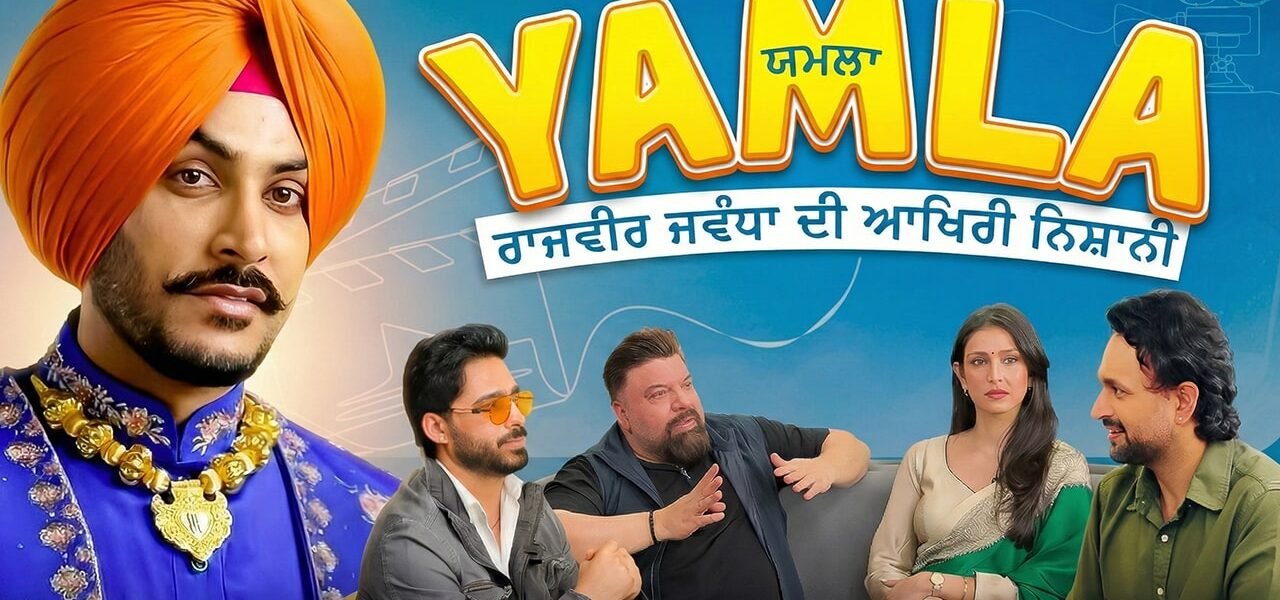
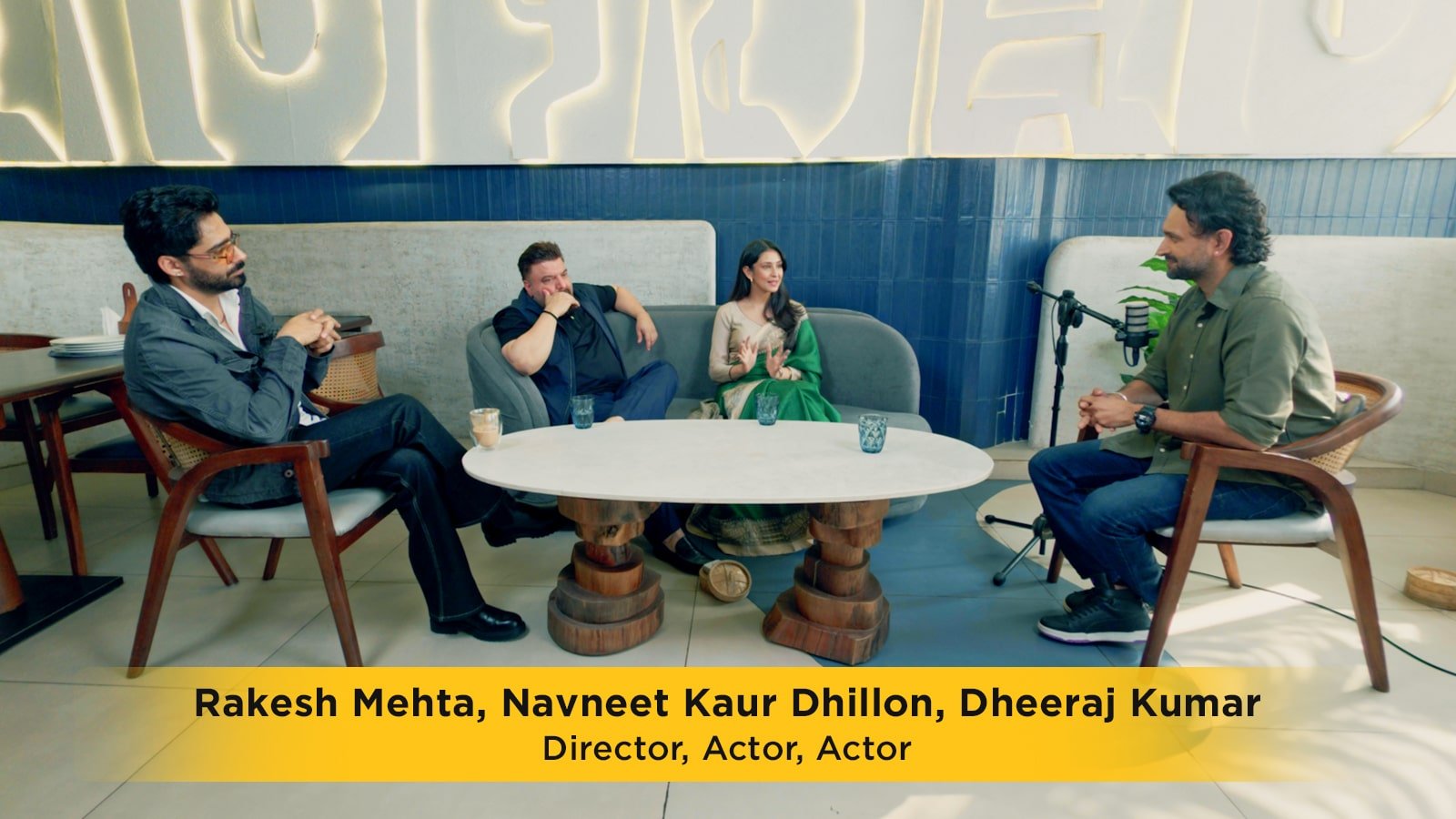
Punjabi cinema has long been celebrated for its vibrant storytelling, colorful characters, and infectious humor. Yet, in recent years, the industry has faced criticism for its over-reliance on repetitive comedic formulas and wedding-centric narratives. In this episode of The Supreet Singh Show, we dive deep into the emotional and creative journey behind the film Yamla, which not only breaks away from these stereotypes but also serves as a poignant tribute to the late actor Rajveer Joda.
The conversation is a heartfelt exploration of the challenges, decisions, and emotions surrounding Yamla’s release after Rajveer’s untimely passing. It sheds light on the delicate balance between honoring an artist’s legacy and delivering a meaningful cinematic experience.
The decision to release Yamla after Rajveer’s tragic accident was anything but simple. The team faced emotional and ethical dilemmas, questioning whether the timing would be perceived as respectful or opportunistic. Ultimately, the choice was guided by Rajveer’s family and close friends, who encouraged the release as a way to celebrate his talent and ensure his work reached audiences. This moment underscores a critical truth in filmmaking: behind every project lies a human story, often unseen by the public.
Rajveer Joda was more than a singer—he was a gifted actor whose versatility often went unnoticed during his lifetime. Yamla showcases his depth and charisma, proving that he was capable of far more than the roles he had previously been offered. This posthumous recognition raises an important question for the industry: Are we giving artists enough opportunities to explore their full potential? Casting diversity is not just about representation—it’s about unlocking hidden talent that can elevate storytelling.
One of the most remarkable aspects of Yamla’s production was the team’s commitment to preserving Rajveer’s original voice. Technical challenges in post-production initially threatened this goal, but instead of resorting to dubbing or AI-generated voices, the team employed advanced sound-cleaning technology to retain 99.99% of Rajveer’s authentic audio. This decision reflects a deep respect for artistic integrity and highlights how technology, when used ethically, can enhance emotional connection in cinema.
Yamla is not just a tribute—it’s a statement. In an industry dominated by formulaic comedies, this film dares to prioritize content-driven storytelling. It offers a romantic drama infused with emotional depth, cultural richness, and relatable characters. The narrative moves beyond superficial entertainment, focusing instead on themes of love, family, and personal choices. This shift signals a growing awareness among Punjabi filmmakers that audiences crave variety and substance.
The discussion in this episode goes beyond Yamla. It addresses a systemic issue: Punjabi cinema’s creative stagnation. While industries like Telugu, Malayalam, and Marathi have embraced diverse genres and innovative narratives, Punjabi films often remain stuck in a loop of similar plots. This complacency risks alienating audiences and stifling growth. The solution? A collective effort from directors, producers, and actors to champion originality and invest in quality storytelling.
Promoting Yamla without Rajveer was an emotionally draining experience for the team. His absence was felt deeply during interviews, events, and marketing campaigns. This reality reminds us that filmmaking is not just a business—it’s a deeply personal endeavor where bonds between cast and crew run strong. When tragedy strikes, the impact reverberates far beyond the screen.