
541D3A5BDEE6F08FCE0B913C82E2BE3C
Search

Motherhood, Fitness & Mental Health: Real Truths Every New Mom Must Know

Motherhood, Post Pregnancy Fitness & Mental Health Tips | Prakriti Bhonsle Podcast
Prakriti Bhonsle Podcast
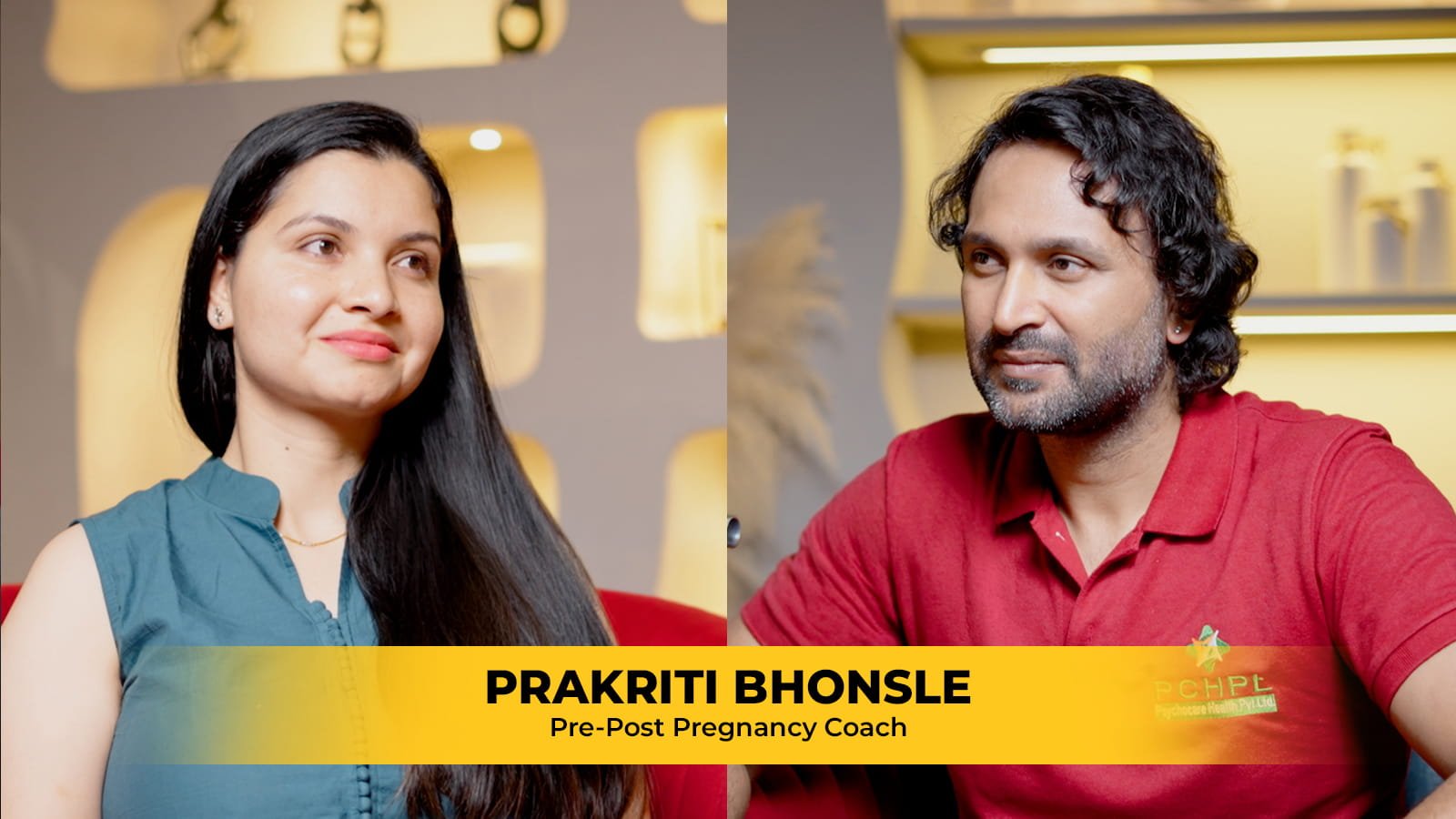
Motherhood is widely regarded as one of the most beautiful periods in a woman’s life; however, it is an arduous process marked by physical fatigue, emotional transformations, and accountability. This highly enlightening episode of The Supreet Singh Show features the show’s host, Supreet Singh, in dialogue with Prakriti Bhonsle, a pregnancy coach before and after childbirth, who shares her wisdom and personal experiences on postpartum recovery, motherhood struggles, mental well-being, and fitness after delivery in India. This episode holds great significance for Indian households, as it covers cultural perceptions, lifestyles, and issues of contemporary motherhood, which are usually overlooked.
 
One of the key topics discussed in this episode focuses on when post-partum exercise can be started. It is a very critical point to discuss, especially considering how worried new mothers are. As per the inputs from Prakriti Bhonsle, women who opt for vaginal delivery can begin gentle exercises within one and a half months, while women who have undergone cesarean sections need to wait for about two to three months, only with proper medical consultation. What she stresses very strongly is that a C-section delivery is not a simple operation, but a surgical operation with various layers to heal. This topic is very relevant in Indian households, where the recovery period is often underestimated.
 
A further important point discussed in this discussion is the common misconceptions surrounding postpartum nutrition in Indian homes, with an emphasis on the myth of drinking too much milk, consuming ghee, and eating sweets such as laddus to boost milk production. According to Prakriti, although these foods offer health benefits, their excess consumption does not promote milk production but only causes unnecessary weight gain and prolongs the body’s recovery process. The key message here is to maintain proper nutrition by having a protein-based diet in controlled amounts, since Indians usually lack protein because of a carbohydrate-heavy diet.
 
This episode also sheds light on the challenges of becoming a mother as she considers motherhood to be a ‘second birth,’ wherein a woman undergoes a complete metamorphosis. No other position requires such a tremendous commitment as motherhood because it is a 24/7 position without even a break. Prakriti mentions that while mothers are always engaged in child rearing, their male counterparts can go out to work, which indicates the unfairness that still exists in several Indian homes.
 

Postpartum depression in India has also become a major issue, as this disease is becoming more common among modern-day mothers. With the advancement in their careers and social pressures along with family obligations, women find themselves overwhelmed with all the work around them. This results in emotional exhaustion for mothers who have just given birth. According to Prakriti, the psychological well-being of an individual is equally important as their physical well-being, but sadly, this is not recognized in our society.

Among the many problems discussed in the show, one problem that almost all mothers find very realistic is the scarcity of time they have left for taking care of themselves. While looking after the baby, managing the home front, and completing her professional responsibilities, there is very little time left for herself and for staying healthy. Mothers often miss their meals or eat at random times, which only hinders their recovery process. The best possible solution that Prakriti proposes is to wake up half an hour early from your routine so that you can exercise.

The dialogue also helps understand the role of family and the support from the husband after childbirth. Traditionally, childcare and housework are the duties of the mother in Indian families, which only adds to the burden and pressure. Prakriti insists on equal responsibilities and encourages fathers to take care of their babies themselves, feeding them, changing diapers, making babies to sleep. She notes that young Indian families are developing and there will be a greater amount of support; however, the process is far from being over yet, and more efforts should be made.

In summary, the presented episode of The Supreet Singh Show is highly recommended listening material for everyone who wishes to learn more about the very nature of motherhood in India. The podcast includes many useful tips on post-pregnancy fitness, postpartum recovery, motherhood psychology, and parenting skills, along with numerous personal stories that will make the listening experience more pleasant and helpful. If you are a mother yourself, about to become one, or support someone who has just given birth to a baby, listen to the podcast.
 

More from this show