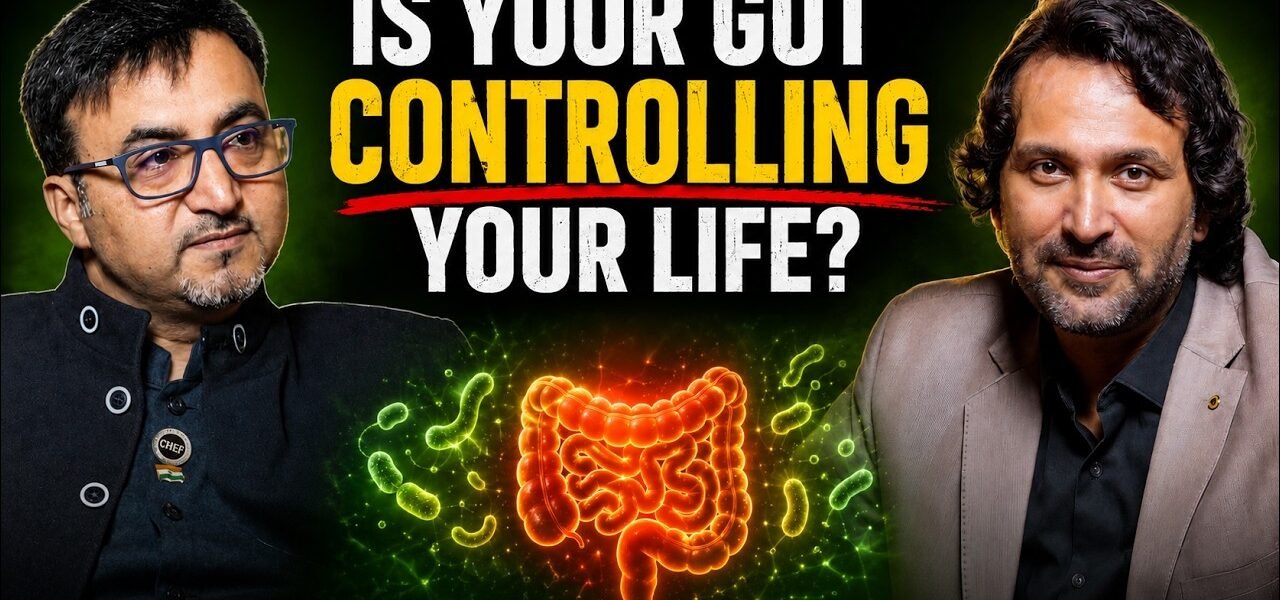
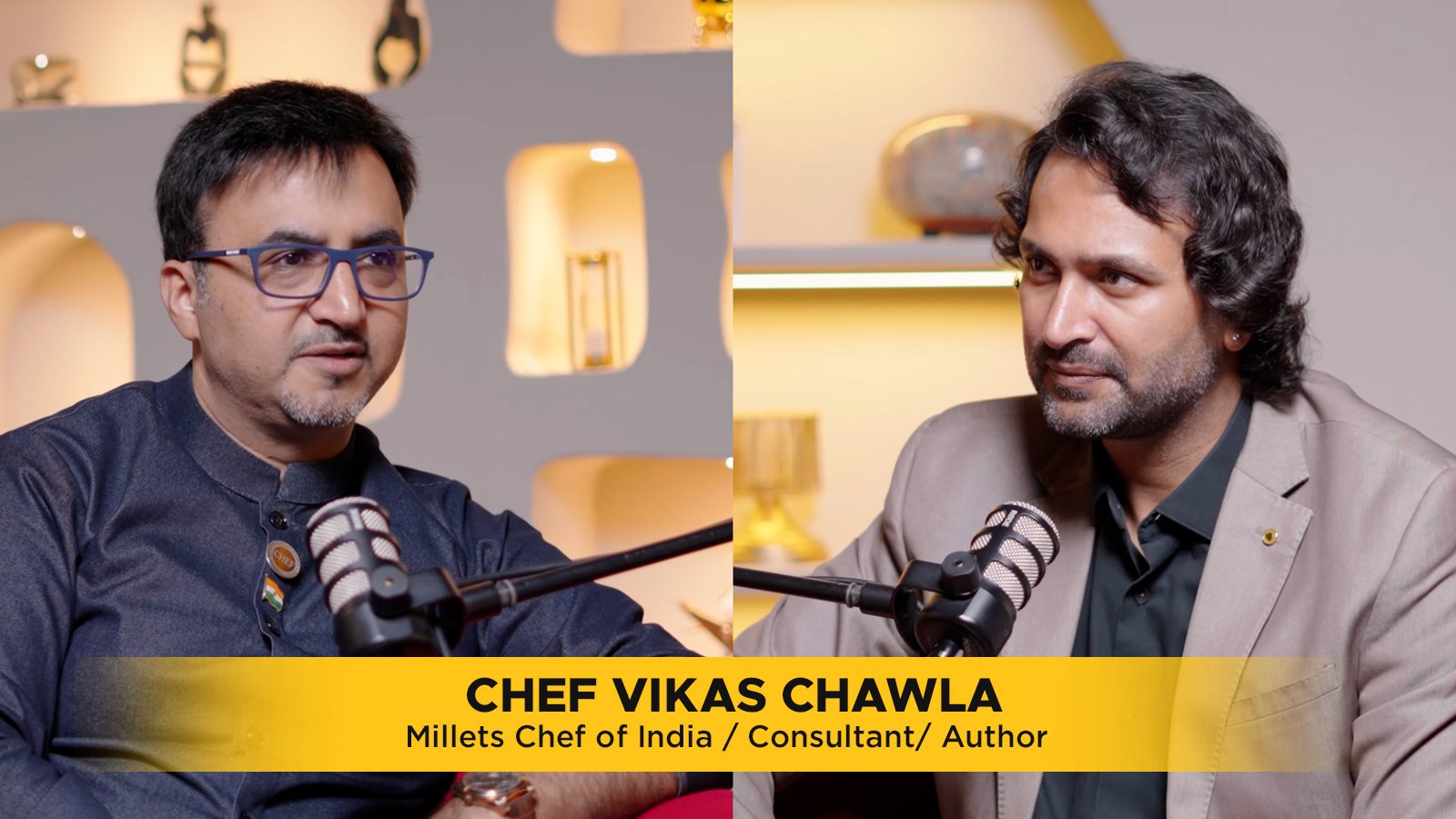
In this insightful episode of The Supreet Singh Show, Chef Vikas Chawla, CEO and Founder of Core Hospitality Solutions, brings a refreshing and deeply informative perspective on gut health, modern eating habits, and the science behind everyday food choices. As a leading podcaster in India, Supreet Singh continues to create meaningful conversations, and this episode stands out for its powerful blend of practical wisdom and scientific understanding. The discussion moves beyond surface-level diet trends and dives into how our food directly impacts not just our digestive system, but also our immunity, mental clarity, and overall well-being.
Chef Vikas begins by simplifying complex nutritional concepts such as prebiotics, probiotics, postbiotics, and synbiotics, making them easy to understand and apply in daily life. He explains that prebiotics are essentially fibers found in foods like millets, apples, garlic, and seeds, which act as nourishment for beneficial gut bacteria. Probiotics, on the other hand, are live bacteria found in fermented foods like curd, buttermilk, idli, and dosa. However, he strongly emphasizes that consuming probiotics alone is not enough. Without prebiotics to feed them, these beneficial bacteria cannot survive or function effectively. This is where the concept of synbiotics—combining both prebiotics and probiotics—becomes crucial. When this combination works effectively, the body produces postbiotics, which are highly beneficial compounds that improve immunity, reduce inflammation, and strengthen the gut lining.
One of the most powerful takeaways from this conversation is the importance of returning to traditional Indian dietary practices, which inherently support gut health. Chef Vikas highlights that Indian meals, especially those based on millets and natural fermentation, were scientifically sound long before modern nutrition began to validate them. Millets, in particular, are presented as a superfood—rich in fiber, environmentally sustainable, and far healthier than refined grains like wheat and rice. He contrasts this with modern diets that rely heavily on processed foods, refined sugar, and unhealthy oils, all of which disrupt gut bacteria and contribute to rising lifestyle diseases.
Another key topic discussed is meal timing and eating habits. Chef Vikas advocates for eating two well-balanced meals instead of frequent eating, along with having dinner early, preferably before 7:30 PM. This aligns with natural biological rhythms and allows the body enough time to digest food properly. He also emphasizes mindful eating—avoiding overeating and stopping before feeling completely full. These habits, though simple, can have a profound impact on digestion and long-term health.
Salt consumption is another critical area addressed in the episode. With the recommended intake capped at 5 grams per day, Chef Vikas shares practical strategies such as adding salt at the end of cooking and using lemon juice to reduce salt dependency. These small yet effective changes help maintain better blood pressure and overall health without compromising taste. He also advises avoiding refined sugar and processed oils, which are major contributors to metabolic disorders like obesity and diabetes.
What makes this episode particularly unique is its emphasis on the emotional and psychological connection with food. Chef Vikas introduces the idea that food prepared with care, positivity, and intention—often referred to as “mother emotions”—can positively influence digestion and satisfaction. This perspective highlights that health is not just about nutrients, but also about the experience and mindfulness associated with eating.
Ultimately, this episode of The Supreet Singh Show delivers a powerful message: health begins in the gut, and our daily food choices define our future well-being. By blending traditional knowledge with modern science, Chef Vikas Chawla offers a roadmap for healthier living that is both practical and sustainable. For listeners exploring insights from a podcaster in Tricity or searching for an indian best podcast, this episode provides immense value, encouraging a shift towards mindful eating, better food awareness, and a deeper understanding of nutrition.