
When we think of Buddhism, the first images that come to mind are India, Nepal, Sri Lanka, or East Asia. Rarely do we associate Buddhism with Turkey. Yet history tells a very different and far more fascinating story. Long before modern nation-states existed, ideas, philosophies, and cultures travelled freely across Asia—carried by monks, scholars, traders, and pilgrims along the Silk Road.
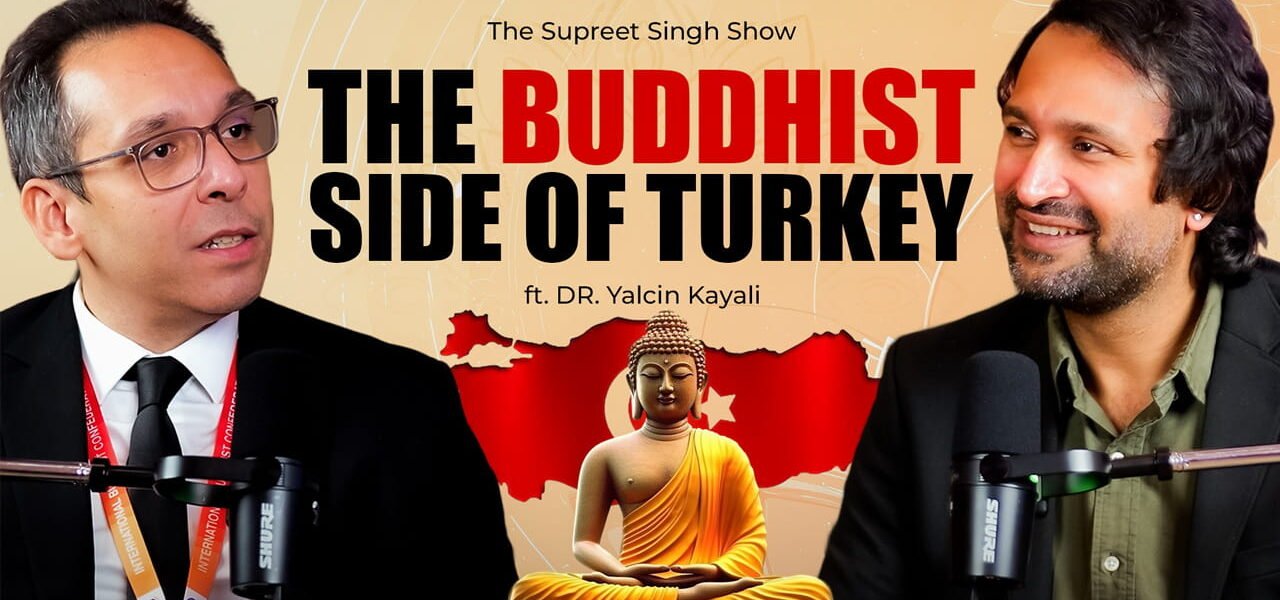
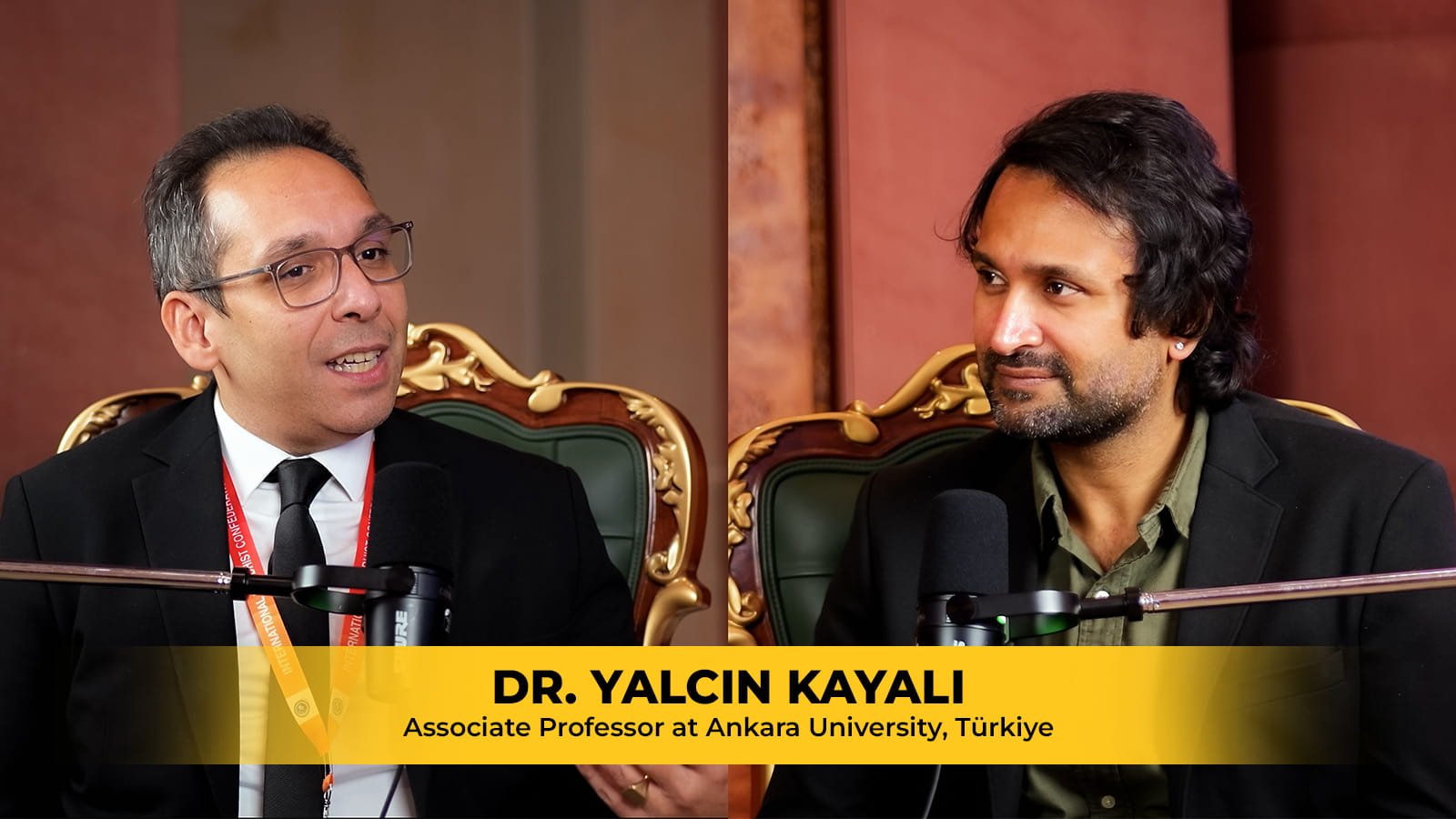
In this powerful and deeply insightful episode of The Supreet Singh Show, host Supreet Singh sits down with Dr Yalcin Kayali, Associate Professor at Ankara University, Türkiye, to uncover a forgotten chapter of world history: the deep Buddhist influence on Turkic culture and the enduring cultural connections between India and Turkey.
This conversation goes far beyond religion. It explores philosophy, history, yoga, language, diplomacy, and the idea of peaceful coexistence in a divided world. If you believe podcasts should expand your thinking and reconnect you with historical truth, this episode is for you.
This episode of The Supreet Singh Show explores the historical significance of Buddhism in Turkey and Central Asia, guided by academic research rather than political narratives. Dr Yalcin Kayali, a scholar of Sanskrit and Buddhist studies, explains how ancient Turkic nomads once followed Buddhism and how Buddhist values quietly shaped Turkic mentality over centuries.
The discussion also sheds light on the Silk Road as a cultural highway rather than merely a trade route. Through regions such as Gandhara and the Kushan Empire, Buddhist teachings spread from India into Central Asia and Anatolia, influencing governance, ethics, and social harmony. The episode further connects history with the present, highlighting the growing popularity of yoga in Turkey, its Indian and Buddhist philosophical roots, and how cultural diplomacy can strengthen India–Turkey relations to this day.
Dr Kayali begins by clarifying a common misconception: modern Turkey did not always exist in its present cultural and religious form. Historically known as Anatolia and influenced by Mesopotamian and Central Asian civilizations, this region was deeply connected to India through trade and scholarship. Central Asia, the homeland of Turkic peoples, once had Buddhism as an official religion among several Turkic groups. Buddhist monasteries, scriptures, and philosophies flourished along the Silk Road, shaping values such as balance, harmony, and nonviolence—principles that still subtly influence Turkish culture today.
The episode also explores striking similarities between Indian and Turkish societies. From expressive communication styles and body language to shared vocabulary influenced by Persian and Arabic, the cultural parallels are hard to ignore. Dr Kayali emphasizes that these similarities foster emotional connection and people-to-people diplomacy, even when political relationships face challenges.
This is an episode that does not merely educate you; it changes what is in your heart. It upends simplistic stories about history, religion, and identity. You will appreciate more fully how deeply connected the various Asian civilizations are and why academic truth is more important than political convenience. If you like your conversations long-form and that mix history, philosophy, culture, and modern geopolitics, this is one of the most intellectually stimulating talks across Indian podcasts.