
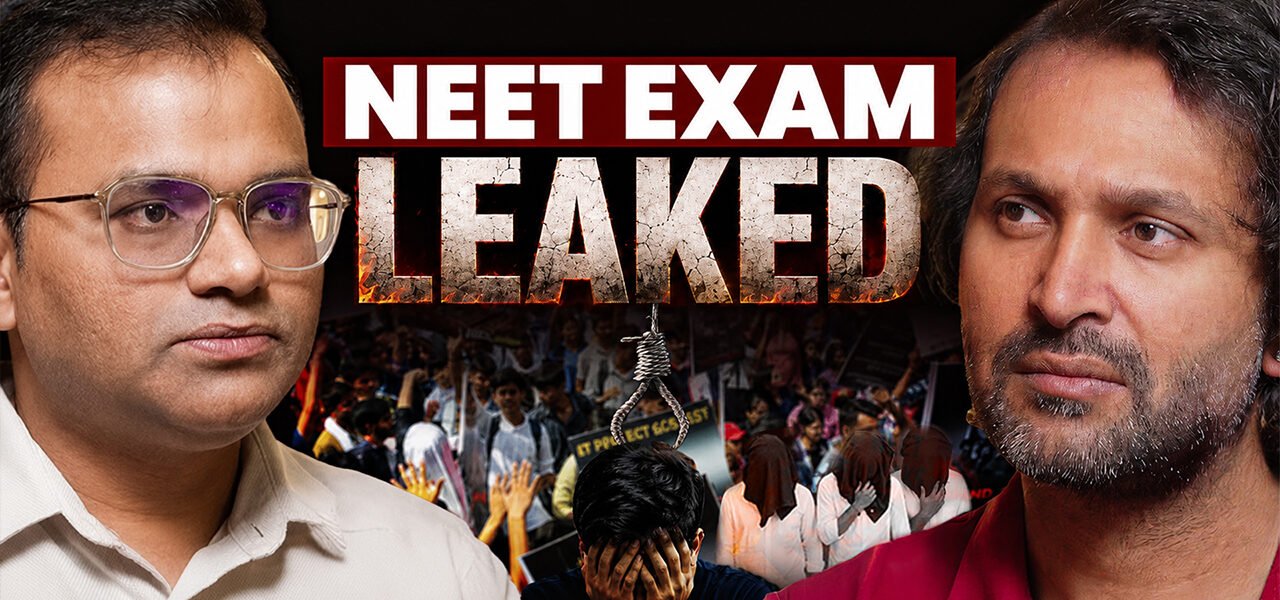
The cancellation of the NEET 2026 examination after a massive paper leak scandal has shocked millions of students and parents across India. Affecting multiple states and creating nationwide outrage, the controversy has once again raised serious concerns about the transparency, security, and pressure associated with India’s most competitive entrance examinations.
Every year, nearly 2.2 crore students appear for NEET, hoping to secure admission into medical colleges. For many families, becoming a doctor is not just a career choice but a lifelong dream. However, the recent paper leak has deeply damaged the trust students place in the examination system.
NEET 2026 Cancellation and Student Reactions
The alleged paper leak reportedly impacted 22 states, forcing authorities to cancel the examination and announce a re-test. Students who had spent years preparing for the exam felt devastated and emotionally exhausted. Many aspirants expressed frustration and helplessness after hearing the news, especially those who had prepared honestly and consistently.
For students already facing academic pressure, the announcement of a re-examination became another mental burden. Social media was flooded with emotional reactions, anger, and anxiety from students and parents alike. The incident highlighted how deeply competitive exams affect the mental health of young aspirants.
The Growing Pressure Around NEET
The pressure surrounding NEET has increased dramatically over the years. Government medical college seats are limited compared to the massive number of applicants. While top-ranking students secure affordable government seats, many others are forced to consider private colleges where fees can reach up to ₹1 crore.
This intense competition often pushes students toward extreme stress, multiple drop years, and dependence on coaching institutes. In many Indian households, careers like medicine, engineering, and civil services are still considered the most respected and secure professions. As a result, students frequently feel compelled to pursue these fields even if their interests lie elsewhere.
Social Media and Declining Attention Span
Modern learning patterns have also changed significantly due to social media. Short-form content and constant mobile phone usage have reduced students’ attention spans, making long study sessions increasingly difficult.
Teachers and mentors have observed that many students struggle to focus for extended periods, especially in online classes. While hybrid education became common after COVID-19, online learning also introduced new distractions, including social media, gaming, and multitasking.
Experts believe that discipline and consistency are now more important than ever. Students who build healthy routines and maintain focus tend to perform better than those who rely only on motivation or excessive study hours.
Online vs Offline Education
Offline classrooms continue to offer advantages, especially for students in classes 11 and 12. Teachers can monitor students directly, maintain discipline, and create a more engaging environment.
Online learning, however, works better for mature students who possess stronger self-control and time management skills. Concerns also remain regarding internet access and digital infrastructure in rural areas, where many students still struggle with connectivity and access to technology.
Mental Health Crisis Among Students
One of the most concerning aspects of the NEET controversy is the growing mental health crisis among students. Academic pressure, fear of failure, parental expectations, and societal judgement have created an emotionally unhealthy environment for many aspirants.
Experts and educators repeatedly emphasize that a single examination does not define a student’s future or worth. Unfortunately, many students continue to face criticism and comparison from relatives, peers, and society after poor exam performance.
Parents play a crucial role in supporting their children emotionally. Encouragement, open communication, and acceptance can help students cope with stress more effectively than pressure or unrealistic expectations.
The Need for Career Awareness
India’s education system still lacks sufficient career counselling and awareness about alternative professions. Students are often unaware of emerging fields such as biotechnology, research, design, digital marketing, artificial intelligence, and entrepreneurship.
Career decisions should be based on a student’s interests, strengths, and passion rather than societal prestige alone. Proper guidance at an early stage can help reduce unnecessary pressure and allow students to make informed career choices.
NEET Re-Exam and the Shift Toward Online Testing
Following the controversy, authorities initiated investigations and announced a re-examination. Officials also suggested that future NEET exams may gradually move toward an online format to reduce the risk of paper leaks.
Online exams can improve security by eliminating the challenges associated with printing, transporting, and storing question papers. However, cybersecurity and digital accessibility will become equally important concerns. Ensuring fairness for students from rural and economically weaker backgrounds will be essential before fully implementing online examinations.
What Students Should Focus On
Despite the controversy, educators continue to remind students that success in NEET depends more on consistency and conceptual clarity than studying endlessly for long hours.
Students are advised to:
- Focus on NCERT textbooks and fundamentals
- Maintain regular revision schedules
- Avoid comparing themselves with others
- Take care of physical and mental health
- Limit unnecessary study material and distractions
- Stay consistent instead of relying on last-minute motivation
Experts also warn against taking repeated drop years without proper planning, as it can negatively impact both mental health and career growth.
Conclusion
The NEET 2026 paper leak controversy has exposed major flaws in the examination system while also highlighting the immense pressure faced by students across the country. Beyond exam reforms, India needs a healthier educational culture—one that values honesty, mental well-being, and diverse career opportunities.
Students deserve support, encouragement, and fair opportunities rather than fear and judgement. Success in life cannot be measured by a single exam result. With proper guidance, emotional support, and ethical reforms, the education system can rebuild trust and create a more balanced future for the next generation.