
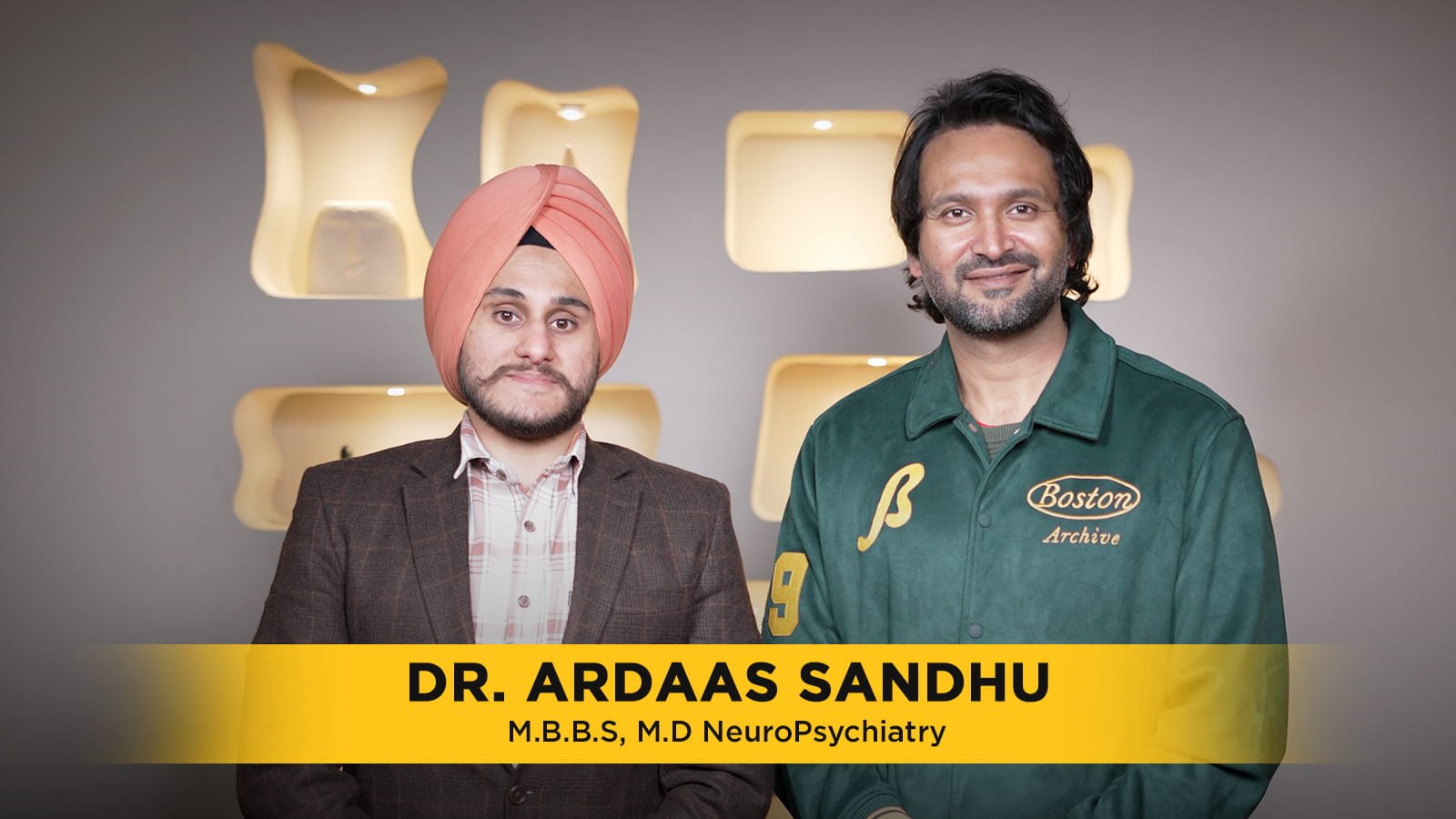
Punjab’s nasha conversation is often reduced to blame, shame, and headlines. But what if we looked at it the way medicine looks at it, through the brain, behavior, society, and systems? In this episode of Deep Root Talk on The Supreet Singh Show, Supreet Singh sits with Dr. Ardaas Sandhu (MBBS, MD NeuroPsychiatry & De-Addiction Psychiatry) to unpack mental health and substance dependence with rare clarity and compassion. From the reality of opioid dependence to the rising risk of synthetic drugs, this conversation explains what’s happening and why it’s happening without sensationalism. If you’ve ever wondered how addiction starts, why it repeats, and how recovery truly works, this episode offers practical insights for families, young adults, and anyone who wants to understand mental wellness in modern India.
This episode is a deep, structured conversation about mental health, addiction, and the changing psychological landscape in India, especially in Punjab and nearby states. Dr. Ardaas explains why the clinical term “substance dependence” matters, and how opioids affect the brain through opioid receptors and dopamine-driven reward cycles. The discussion also explores Punjab’s geopolitical vulnerability due to its proximity to trafficking routes often described through the Golden Triangle context, and how social, political, and structural factors intensify the problem. Beyond substances, the episode addresses modern behavioral addictions—gaming disorder, gambling disorder, and social media dependency—and how instant gratification culture is shaping attention spans, stress tolerance, and emotional regulation. Most importantly, the conversation focuses on empathy, confidentiality, early intervention, and stigma reduction so that treatment becomes accessible, acceptable, and effective.
One of the strongest takeaways is that Punjab’s drug crisis cannot be explained by a single cause. Dr. Ardaas describes how geography increases exposure to trafficking networks, while economic capacity and demand make some regions more attractive for the flow. He emphasizes that substance dependence escalated over recent decades due to multiple forces, border vulnerabilities, changing supply chains, technology-enabled access, and deeper structural issues that keep demand alive. The episode also highlights the very real physical consequences of IV drug use, including vascular damage, severe infections, and in extreme cases, amputations. This isn’t shared for shock value—it’s shared to show the biological cost of dependence when it becomes chronic. The larger point is clear: if society treats addiction only as a moral failure, it misses the medical and systemic reality that must be addressed.
A key section of the episode explains the neuroscience behind addiction in simple language. Dr. Ardaas explains how substances interact with the brain’s reward system, especially through opioid receptors and dopamine release, creating a short-term “high” that the brain craves repeatedly. Over time, the brain learns to associate relief, pleasure, or escape with the substance, and the person becomes trapped in a cycle of craving, consumption, withdrawal, and relapse. The episode also addresses common myths, such as the belief that certain substances are harmless or “helpful” for managing stress. This medical framing is crucial because it shifts the conversation from shame to treatment. When families understand that substance dependence is a brain-based health condition, they’re more likely to support professional care—medication when required, therapy, and long-term follow-up—rather than expecting willpower alone to solve it.
Another important theme is how drug trends change when supply changes. As heroin supply routes fluctuate, traffickers often push alternatives that may be cheaper, more potent, or easier to transport—like synthetic stimulants and other derivatives. Dr. Ardaas discusses why these substances can be especially risky: potency, unpredictability, and faster damage to both physical and mental health. The episode also touches on alarming emerging patterns like snake venom usage reported in urban pockets, signaling how experimentation and novelty-seeking can create new public health threats. Instead of presenting these as isolated “crazy stories,” the conversation links them to broader drivers—peer networks, thrill-seeking, social influence, and accessibility. This section is valuable for parents and young adults because it helps them recognize that “drug culture” evolves, and prevention efforts must evolve too—through awareness, early detection, and practical community-level intervention.
Dr. Ardaas brings neuropsychiatry into the conversation by explaining how mental health conditions are linked to neurotransmitters, genetic predispositions, and environmental triggers. The episode covers disorders like anxiety, depression, bipolar disorder, schizophrenia, ADHD, and autism spectrum conditions—highlighting that symptoms can be psychological and physical. One of the most practical parts is the emphasis on insight, acceptance, and medication compliance for chronic conditions. Many relapses happen not because treatment fails, but because treatment is stopped early due to stigma or misunderstanding. The episode also discusses how the Mental Healthcare Act 2017 supports patient rights and structured care, including pathways for difficult cases where the individual may lack insight. Overall, the tone remains empathetic and realistic: healing requires confidentiality, non-judgment, family support, and a combined approach of medication and therapy when clinically needed.
This episode is designed for a wide audience because mental health affects everyone, directly or indirectly. If you’re a young adult trying to navigate stress, social media pressure, or peer influence, you’ll relate to the discussion on dopamine, impulse control, and attention. If you’re a parent or family member worried about substance use, you’ll gain a clinical understanding of dependence, warning signs, and why empathy improves outcomes. Educators and community leaders will find valuable context on how culture, nightlife normalization, and entertainment can influence behavior. Healthcare and wellness-minded viewers will appreciate the neuropsychiatry insights and the balanced view of medication plus therapy. And if you follow India podcasts and want conversations that go beyond motivation into real-life issues, this is a strong listen from Deep Root Podcasts featuring Supreet Singh and an experienced specialist.