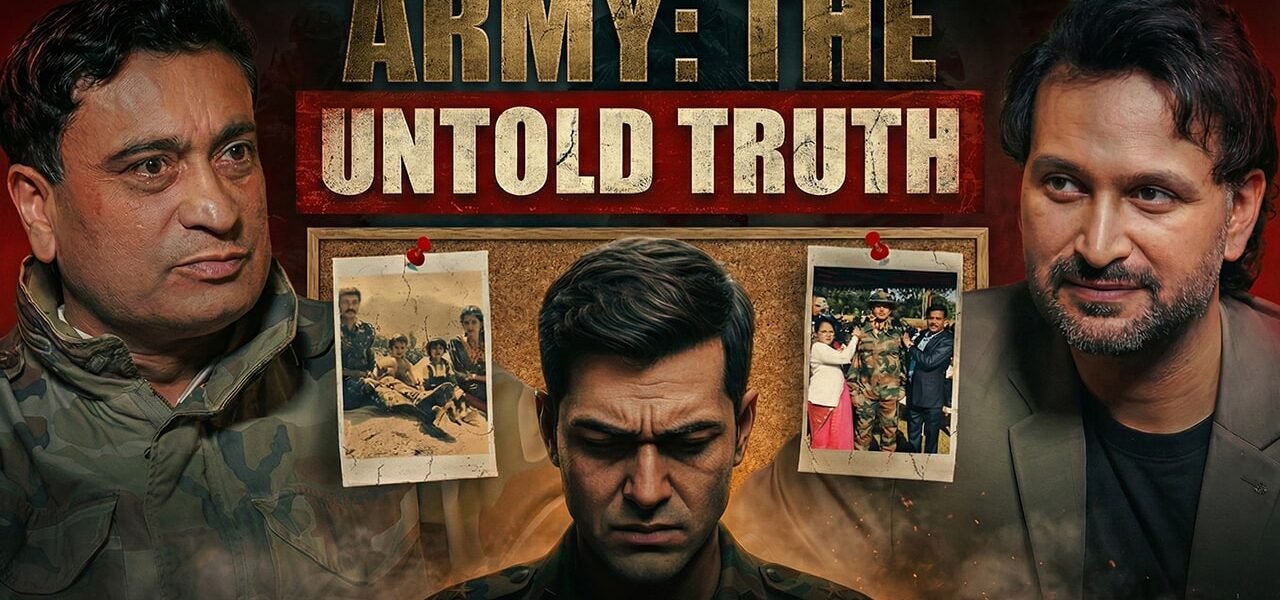
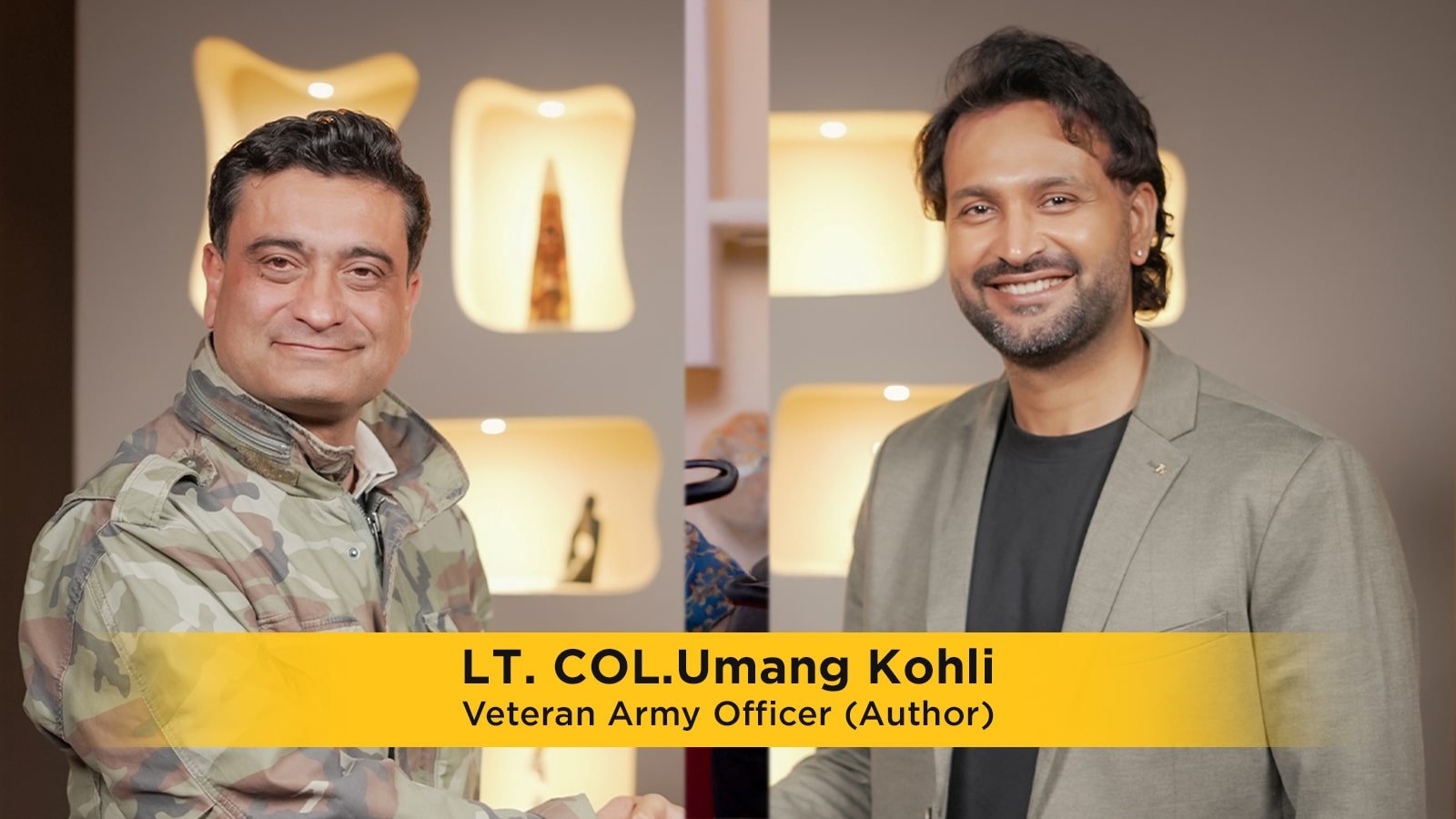
India’s armed forces are admired for their courage, discipline, and sacrifice. Yet behind the uniforms and unbreakable resolve lie human stories—of isolation, emotional strain, and silent battles that seldom reach the public eye. In this episode of The Supreet Singh Show, veteran soldier, journalist, and executive editor Umang Kohli opens up about the mental health challenges faced by soldiers, the urgent need to modernize military training and communication policies, and India’s evolving role in geopolitics and defence. This long-form conversation blends ground reality from the frontlines with hard-nosed strategic analysis.
For listeners of Indian podcasts seeking depth, nuance, and lived experience, this episode is a compelling addition to your queue. As a podcaster in India, I aim to spotlight conversations that matter—not just headlines, but the human truths behind them. With 25 years of experience across military and journalistic roles, Umang Kohli brings a rare dual perspective—part battlefield, part newsroom. He served 24 years in the armed forces, including six years in Jammu & Kashmir in active anti-terror operations, and led encounters as a company commander in Rashtriya Rifles (2004–2007). His acclaimed book, In The Times of Article 370, documents the operational realities and complexities of Kashmir through a soldier’s eyes.
Beyond combat, Umang studied information warfare, completed four courses in Journalism and Mass Communication (including training in Australia and the United States), and served as Director of Public Information at DGNCC HQ. He has authored dozens of articles on geopolitics, hybrid warfare, defence, finance, cyber security, and more. Today, he calls himself “apolitical,” focused on unbiased updates and analysis—amalgamating hard news with grounded, real-world perspectives.
Public perception often equates soldiers with stoic strength. But most enlisted personnel are between 17 and 30 years old, navigating the same emotional terrain as any youth—friendships, relationships, family pressures—while living in high-stress, low-communication environments. Umang highlights how operational constraints—restricted mobile phone usage, limited social media access, and long postings in remote terrains—create emotional isolation. Silent pain manifests in heartbreaks, gaslighting, blame, and loneliness when relationships falter under distance. Over the past decade, Umang notes a worrying rise in suicides, most linked to personal causes, not professional ones. This is a national conversation we rarely have, and desperately need.
Umang’s ground experience in Kashmir informs his view that revocation of Article 370 improved security, police coordination, and reduced corruption and information leaks, aiding terrorism. He calls this a nationalist statement, grounded in operational realities rather than politics. On Pakistan-occupied Kashmir (PoK), he advocates supporting local autonomy movements aligned with India rather than military occupation, focusing on economic growth, infrastructure, and local leadership. He predicts imminent rebellion within PoK driven by historical indoctrination and a grassroots affinity toward India.
India’s defence story is not just about wars and hardware; it’s about people and policies in a fast-changing world. For audiences searching for Indian podcasts that move beyond surface-level talk, this episode delivers authentic insights forged in service.