
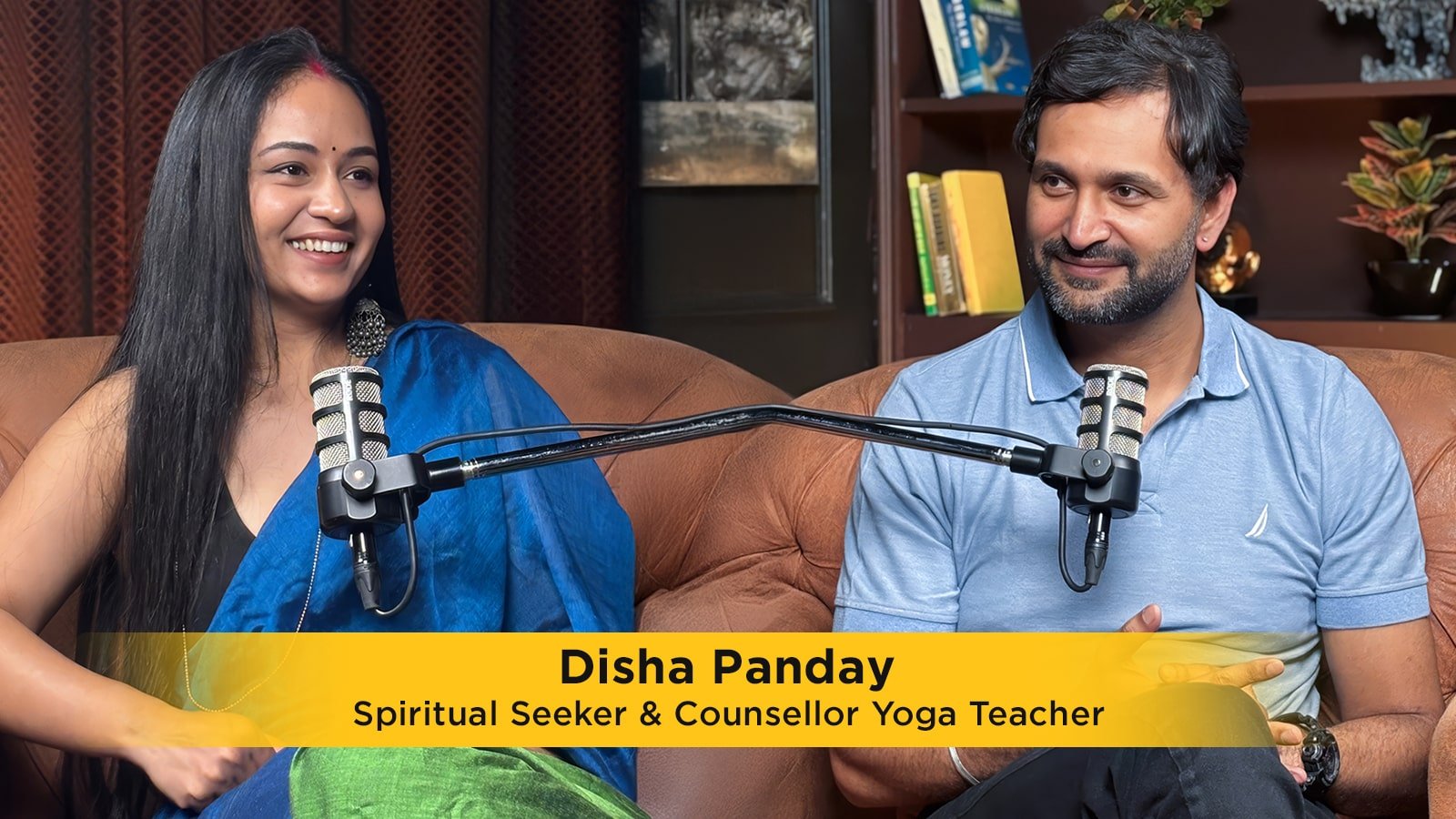
In a world dominated by distractions, stress, and constant noise, conversations about spirituality and inner peace feel more relevant than ever. In this episode of The Supreet Singh Show, Supreet Singh sits down with Disha Pandey to explore profound concepts like energy, maya, karma, yoga, and self-love—and how they shape our lives. This discussion blends ancient wisdom with practical tools for modern living, offering a roadmap to conscious awareness and emotional freedom.
The conversation begins with gratitude and recognition of the energy exchange between host and guest. Energy and aura are described as fundamental forces that influence our interactions and environments. Every being carries a unique energy signature, and understanding this can transform relationships and personal well-being.
Disha emphasizes that spirituality goes beyond the physical body. While the body is transient, something deeper—consciousness or spirit—persists even after death. This raises an existential question: If life is maya (illusion), what is the point of effort, love, or emotions? Drawing from the Shiva Sutras, she explains maya as the creative power of Shakti, manifesting the cosmic love story between the divine masculine (formless, beyond experience) and the divine feminine (manifest form, creative energy). This interplay drives life’s drama, making human existence a unique opportunity to experience emotions, karma, and growth.
One of the most powerful insights shared is the importance of living fully in the present. The past and future are mental constructs; the present is the only reality. Yet, social media, overthinking, and emotional baggage often pull us away from this truth. Disha encourages mindfulness practices to anchor awareness in the now, reducing stress and enhancing clarity.
The episode dives into generational trauma, a silent force that traps individuals in cycles of suffering. These patterns often stem from family or societal conditioning and require conscious effort to break. Disha compares this process to quitting smoking—lasting change demands a “higher reason” or strong motivation. Spiritual awakening, she says, begins with awareness and a willingness to step into the light, even when fear of change feels overwhelming.
Yoga’s global popularity is undeniable, but Disha reminds us that true yoga is more than physical exercise. While influencers and trends have popularized yoga for fitness, its essence lies in inner awareness—connecting breath, body, and mind. She shares a personal anecdote about practicing headstands for months, driven by competition, only to realize that yoga’s real power is in emotional release and mental stillness.
Mindful yoga can unlock deep-seated emotions, sometimes leading to unexpected tears during sessions. Disha also addresses gender differences in spiritual practices: men often maintain consistent physical routines, while women may lean toward bhakti yoga (devotional practice), which transcends physical limitations and can be practiced anytime.