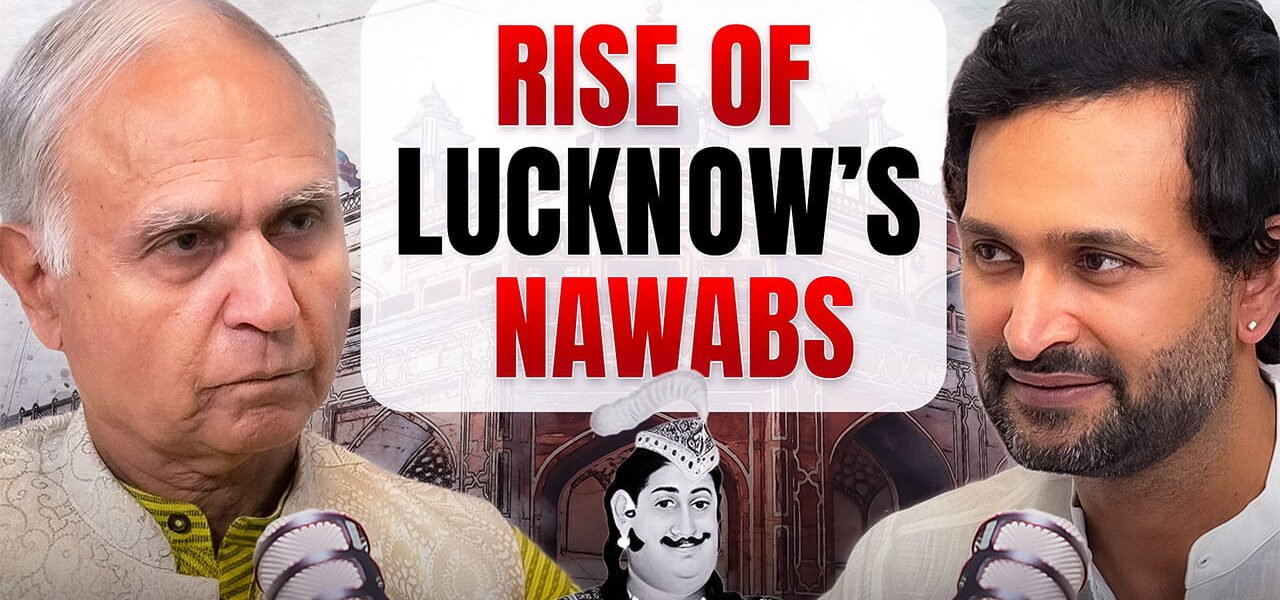
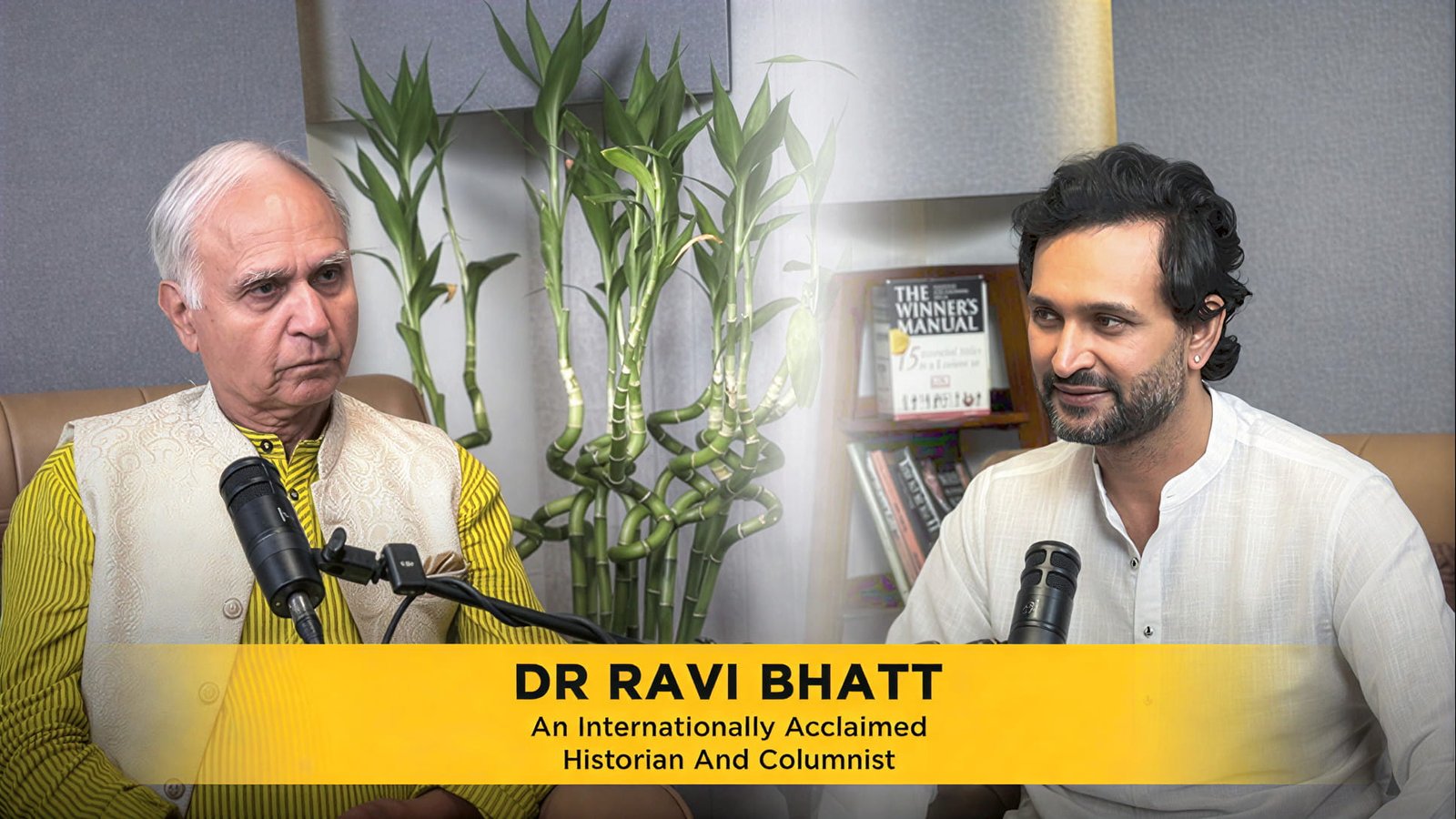
What truly made Lucknow the cultural heart of Awadh? In this episode of Deep Root Talk, historian Ravi Bhatt traces the lives and legacies of the Nawabs of Lucknow, rulers who transformed power into a living culture of poetry, etiquette, hospitality, and secular harmony. Their courts nurtured artists, architects, and philosophers; their kitchens inspired cuisines; and their leadership modeled coexistence in a diverse society. But this is not just a history lesson. Ravi connects the past to our present, explaining why today’s comparison culture steals joy, why attention is more precious than time, and why small daily rituals can create a happier life. If you love rich, story-led India podcasts and want ideas you can actually use, this conversation balances narrative depth with practical, modern takeaways.
Ravi Bhatt—author, researcher, and visiting faculty member- guides us through the Nawabi era, spanning from 1722 to 1819, during which power politics, Persianate aesthetics, and local traditions converged to create a distinct Lucknowi tehzeeb. We revisit pivotal moments like Panipat and Buxar, but we spend equal time on what made Lucknow special: Urdu poetry circles, kathak, shayari mehfils, culinary refinement, and courtesan culture. Ravi also opens up about his reading-first upbringing, the freedom his parents gave him to choose his path, and how that intellectual autonomy shaped his work. Along the way, we explore the psychology of happiness in Indian families, the pressure of early academic competition, and how to recover attention in the age of social media. The result is a rare conversation where history, culture, and mental well-being meet.
The episode opens by reframing the Nawab, not just as a royal title, but as a custodian of culture who treated art, language, and ritual as instruments of public life. We explore how Shia rulers of Iranian origin supported Hindu officials, blended traditions, and curated a culture where Urdu poetry, kathak, and architecture flourished. Ravi contrasts political decline after Buxar with the astonishing rise of Lucknow’s cultural economy, underscoring how soft power endures longer than military strength. He shares how reading 6–8 books a month in his youth created a deep reservoir of imagination and focus, and argues that pushing exam prep in classes 6–7 is creativity’s enemy. His critique is tender, not harsh: give children intellectual freedom, and society gets innovators; deny it, and we trade brilliance for compliance.
Ravi then bridges history with mental health. He decodes a uniquely Indian paradox—feeling guilty about happiness, and inducing guilt in others when they seem too happy for too long. He connects this to survival-mode conditioning in developing societies and shows how, even with modern comforts, comparison culture keeps many middle-class families anxious. The antidote isn’t grand; it’s grounded. He recommends reclaiming attention as the primary resource, ahead of energy and time, because attention shapes what we feel, create, and become. In the Nawabi courts, attention was trained through poetry, performance, etiquette, and ritual—today, we can train it through movement, mindfulness, laughter, and meaningful relationships. The Nawabs curated harmony in a diverse society; we can curate harmony in our daily routines.
This episode is rare: it’s erudite without being heavy, practical without being trivial. You’ll walk away with a more nuanced understanding of Awadh’s history, a new appreciation for Lucknow’s plural culture, and real habits you can implement today to reduce stress and reclaim joy. If you enjoy long-form India podcasts that connect past wisdom to present life, this conversation delivers. It also models the kind of curiosity and intellectual freedom our children deserve—one that values reading, reflection, and self-directed discovery over early competitive pressure. In a noisy world, this is the kind of discussion that recenters you.