
Everybody says they want to eat healthy. Very few people say they want to eat millets.
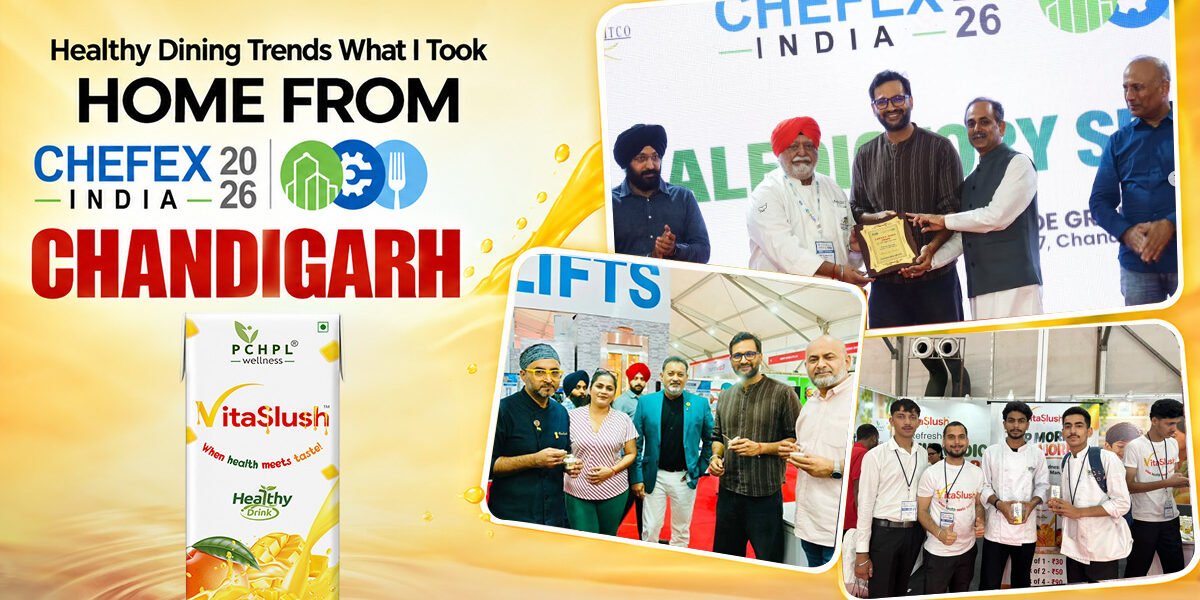
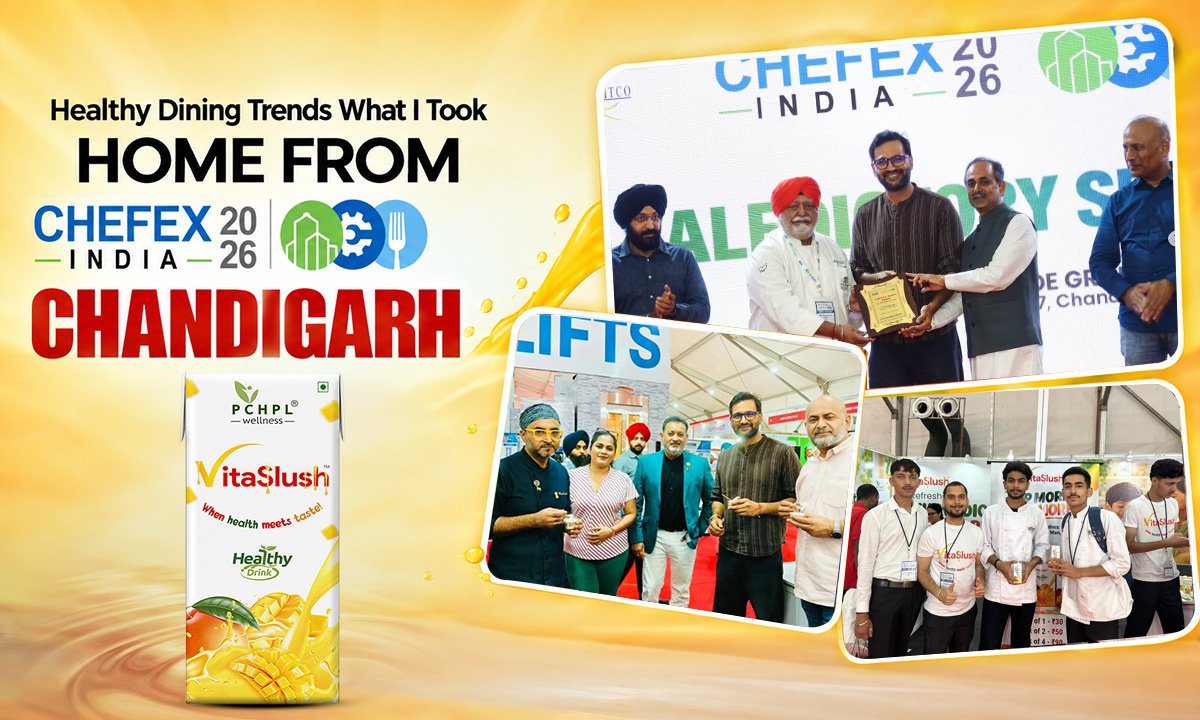
The theme of the panel I hosted at Chefex, which took place from September 18 to 20 in Sector 17, Chandigarh, was the discrepancy between what we know is healthy for us and what we actually order. The Punjab State Chapter of PHDCCI hosted the event, which was titled “From Kitchen to Plate: Innovations, Superfoods & Hospitality Trends Shaping Healthy Dining.”
It was one hour long. I could have happily kept going for three.
Why This Conversation Matters Right Now
Healthy dining trends usually get discussed in two separate rooms. Nutritionists talk about what we should eat. Chefs and hoteliers talk about what sells. Rarely do both sit at the same table.
At Chefex, they did. And honestly, that’s where the most useful answers came from.
Who Was on the Panel
I was lucky with the line-up. Every person saw food through a different lens. Chef Vikas Chawla, the Millet Ambassador, knows what it takes to make ancient grains taste good, not just sound virtuous. Mr. Ajay Chopra, Founder of Fiber 24, is building a health food brand and understands what customers will actually pay for. Mr. D Thyagin Menon, VP at Mittal Group and Chief Advisor of the Hotel, Restaurant & Resort Association of Punjab (HRRAP), brought the reality of feeding guests at scale. And Dr. Raman Suri, a food scientist, made sure we didn’t drift into hype.
My job was to ask the questions a regular diner might ask. After 13 years in healthcare with Psychocare Health, I’ve learned that the simplest questions are usually the ones people are most afraid to ask.
Is Processed Food Always Bad?
Some audience members were surprised by where we started. “Processed” is frequently used disparagingly. But processing also keeps food safe, prolongs its shelf life, and makes it available to people who can’t regularly purchase fresh food. Purpose is the real issue. Is the process keeping food intact or covertly getting rid of it to save money? Because of that one difference, you read each food label differently.
Are Millets Superfoods?
The short answer is “yes.” To put it more fully, they were never brand-new. Before rice and wheat took over our plates, Indian families were fed jowar, bajra, and ragi for generations. They require far less water to develop, have low blood sugar, and are abundant in fiber. Nutrition was therefore never an issue.
Habit is the issue. No one changes to millets just because a sign instructs them to. When a chef creates a millet dish that they truly want to try again, they switch. It was crucial to have a skilled chef on the panel because of this. First and foremost, eating healthily ought to taste good.
Why is gut health such a popular issue these days?
Because people are finally connecting how they eat with how they feel.
Functional nutrition, choosing food for what it does in your body, has moved out of clinics and into everyday conversation. Fibre, fermented foods and balanced meals affect digestion, immunity and energy. The panel agreed this is where a lot of food innovation is heading next, and I think they’re right.
Can Food Affect Your Mood?
It can, and we don’t talk about it enough. Skipped meals, sugar crashes and heavy late-night eating all show up in how we think and feel the next day. Coming from a healthcare background, this was the part of the discussion closest to my heart. Mental well-being doesn’t start at the pharmacy. Very often, it starts in the kitchen.
Can Restaurants and Hotels Serve Healthy Food at Scale?
This was the toughest question of the hour, and the most honest one. One chef can create a beautiful ragi dish. A hotel serving hundreds of guests a day needs steady sourcing, trained staff and recipes that taste the same on a busy Saturday as they do on a quiet Tuesday. Healthy dining only becomes real when it’s built into the system. Until then, it stays a “special menu” that most guests skip.
What I Walked Away With
No single person fixes how a country eats. The scientist needs the chef. The chef needs the supplier. The hotel needs the guest to actually order the dish. What Chefex Chandigarh showed me is that these people are ready to work together. That’s more hopeful than any single trend.
And if you’re wondering, yes, I’m eating more millets now.