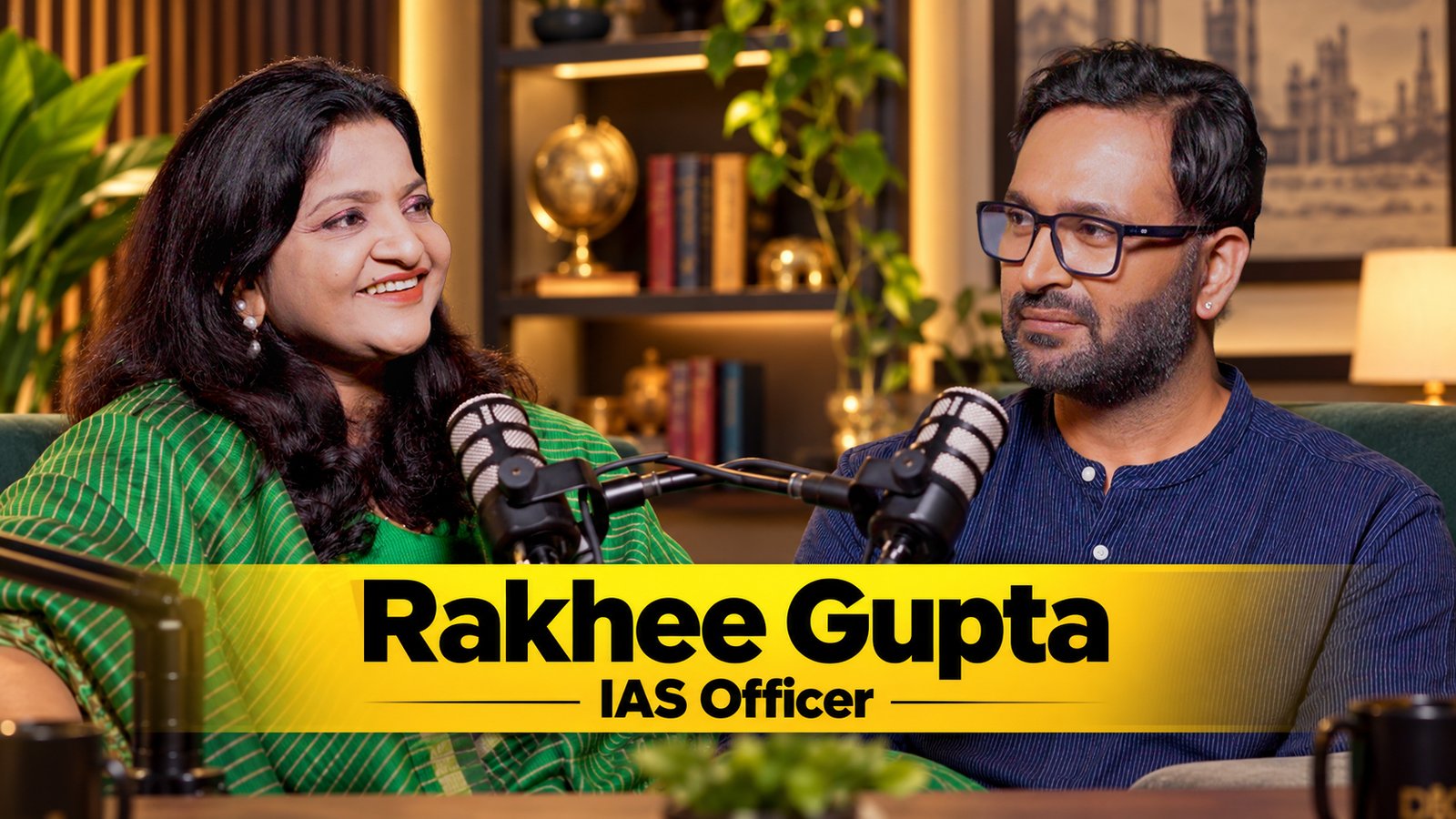
In this compelling episode of The Supreet Singh Show, Rakhee Gupta IAS offers a powerful exploration of Punjab’s future, from food processing and agri-tourism to women’s entrepreneurship, culture, civic responsibility, and youth empowerment. Drawing on her years in public service and her life as a performer, the conversation offers a roadmap for anyone who wants to see Punjab grow without losing its roots.
Rakhee Gupta is a decorated IAS officer and a celebrated singer, a rare combination in Indian public life. Through her work in administration, she has seen first-hand how policy, enterprise, and culture shape the lives of ordinary Punjabis. Through her music, she has stayed connected to the state’s artistic soul. During this conversation with Supreet Singh, she shares her views on food processing, agri-tourism, women entrepreneurs, social media, civic sense, and what it truly means to serve.
Punjab has long been known as the food bowl of India, but she argues that high production alone is no longer enough. The real opportunity in food processing in Punjab lies in value addition: turning raw produce into branded, packaged products that earn farmers more. She points to small innovations such as packaged sugarcane cubes, flavoured popcorn, and traditional pickles as proof that even modest ideas can spark larger economic change. With quality certification, strong market linkages, and support from schemes like PMFME, micro food enterprises can access funding, training, and the tools to scale.
The discussion also turns to agri-tourism in Punjab as a way to diversify rural income. Urban families increasingly want to experience farm life, local food, and Punjabi hospitality first-hand. Combined with smarter choices such as millet cultivation and better cold storage, agri-tourism can turn farms into destinations while keeping traditions alive.
Perhaps the most inspiring idea in the episode is the rise of the “Business Bibas”. For generations, Punjabi women preserved the state’s culinary heritage in their kitchens, but rarely took it to market. Today, women entrepreneurs in Punjab are building brands, gaining supply chain support, and selling far beyond their villages. The result is financial independence for women and a culinary legacy that is preserved rather than lost.
On social media, her view is balanced. Platforms are essential for communication, yet algorithms often hide genuine talent that lacks visibility. Using them well requires real expertise. At the same time, she stresses the need for responsibility, since misinformation and violent content can harm young and vulnerable users.
One of the most memorable ideas she shares is that a cluttered mind leads to a cluttered environment. Despite government campaigns, littering persists because it is rooted in personal habits. A litter-free Punjab, she believes, depends on civic education from early childhood and on each individual taking ownership of their surroundings.
The conversation also explores how cinema shapes society. Films like 3 Idiots and Gandhari blend timeless values with modern stories, opening up conversations about academic pressure, gender, and mental health. She encourages parents to speak honestly with their children about failure, because open dialogue at home builds resilience and eases the pressure young people carry.
For the many young people preparing for the civil services, her advice is clear. Pursue it only if you are genuinely driven by service, empathy, and community welfare. Power and status without commitment, she warns, lead to public mistrust. Real influence comes from positive contribution, not from position.