
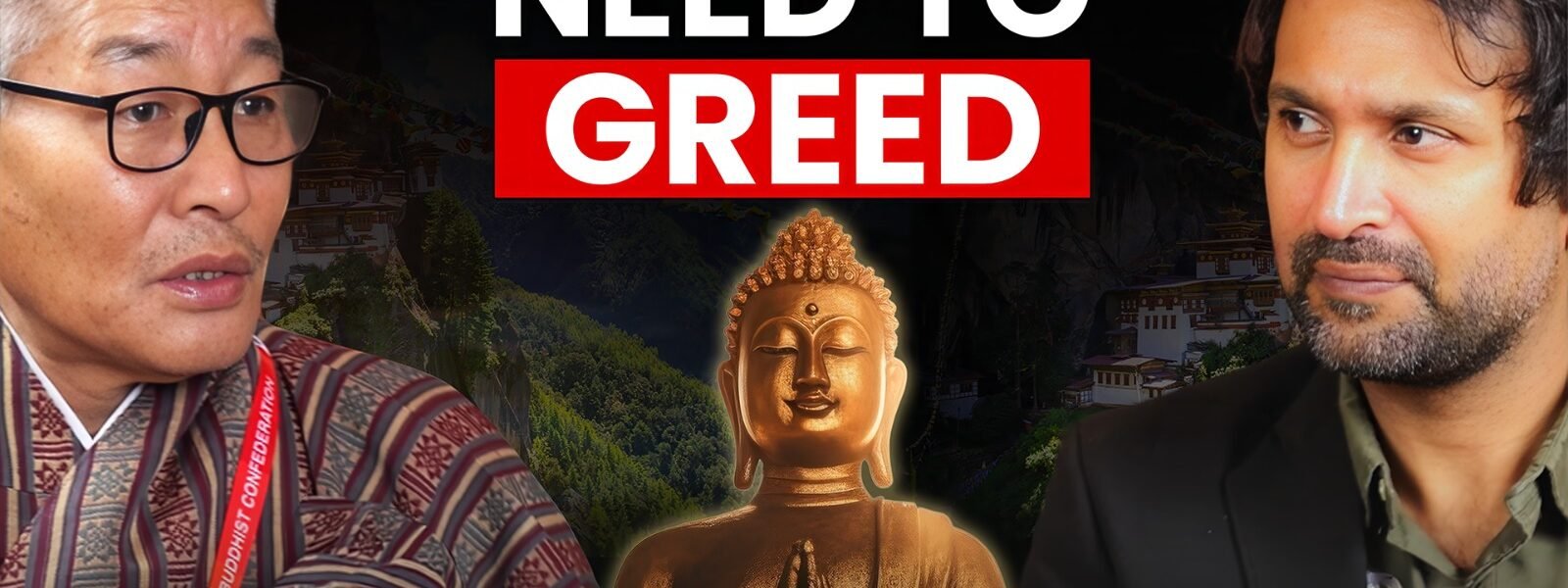
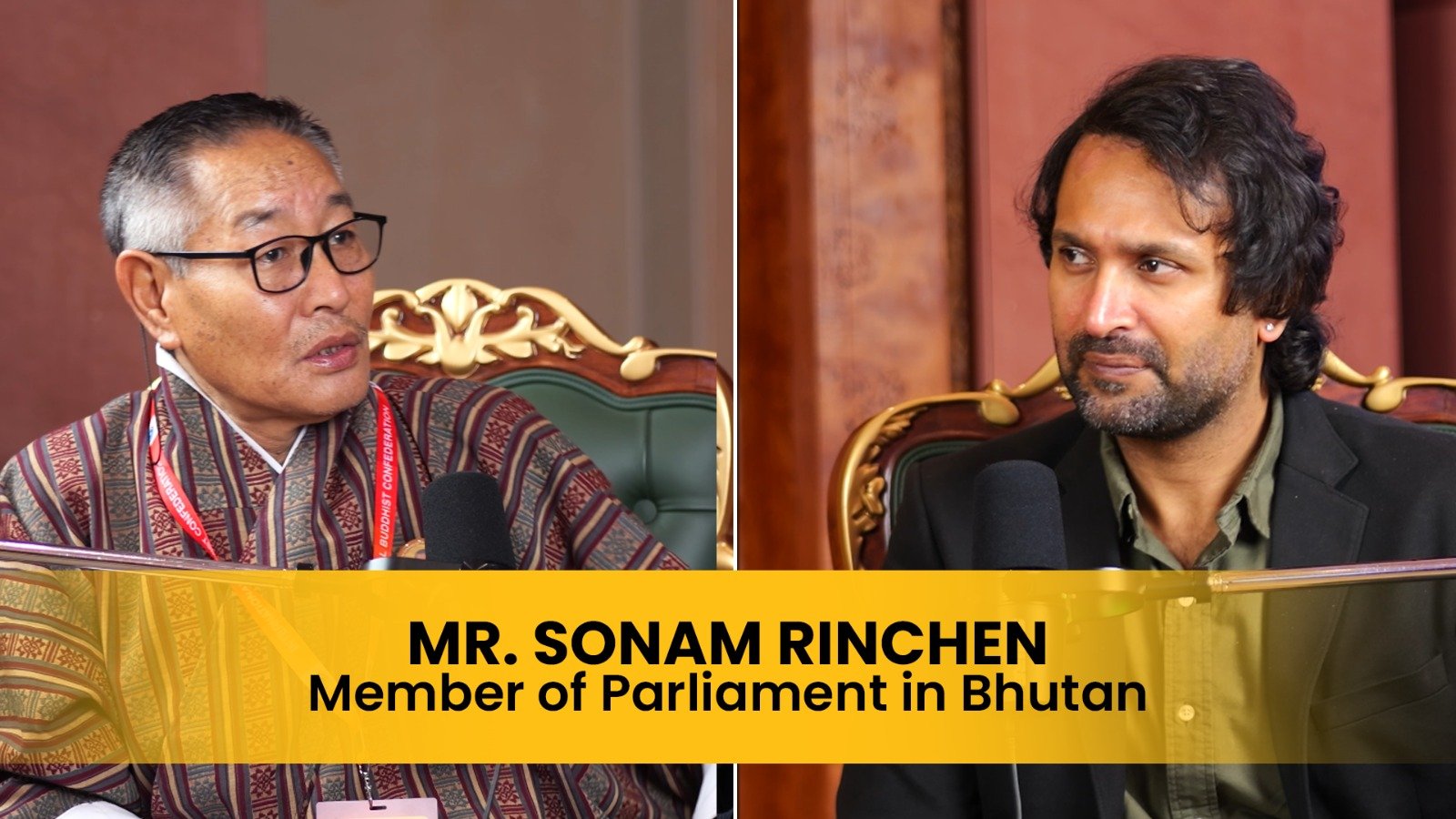
What if a nation measured success not by how much wealth it generated, but by how happy its people were? In this thought-provoking episode of The Supreet Singh Show, host Supreet Singh sits down with Mr. Sonam Rinchen, Member of Parliament in Bhutan, to explore one of the most important questions facing humanity today: How can we balance economic growth, environmental sustainability, and human well-being? The conversation dives deep into Bhutan’s globally admired philosophy of Gross National Happiness (GNH), the teachings of Buddhism, ecological conservation, India-Bhutan relations, and the urgent need for the world to embrace mindful living. As climate change, overconsumption, and corporate greed continue to threaten the planet, Bhutan offers a powerful model that challenges conventional definitions of progress.
On The Supreet Singh Show, one of the fastest-growing platforms featuring meaningful conversations with global leaders, entrepreneurs, policymakers, and changemakers. If you’re searching for insightful content from a podcaster in India or looking for inspiring podcasts in Mohali, this episode should be at the top of your watchlist. One of the most fascinating aspects of Bhutan’s development model is its decision to prioritise Gross National Happiness over traditional economic indicators. This philosophy recognises that increasing wealth does not automatically lead to happiness. A nation may become richer while simultaneously experiencing rising stress, environmental destruction, social fragmentation, and declining mental health.
Throughout the discussion, Buddhism emerges as a timeless framework for addressing contemporary problems. According to Buddhist teachings, suffering often arises from attachment, excessive desire, and greed. The concept of the Buddhist middle path encourages individuals and societies to avoid extremes and pursue balance. Mr. Rinchen argues that humanity has reached a critical moment. The melting of glaciers, rising temperatures, and increasing natural disasters are signs that our relationship with nature has become unsustainable. The conversation also explores the strong and enduring relationship between India and Bhutan. When discussing India-Bhutan relations, Mr. Rinchen recognises India’s significant role in promoting Buddhist philosophy and encouraging global dialogue around peace and coexistence.