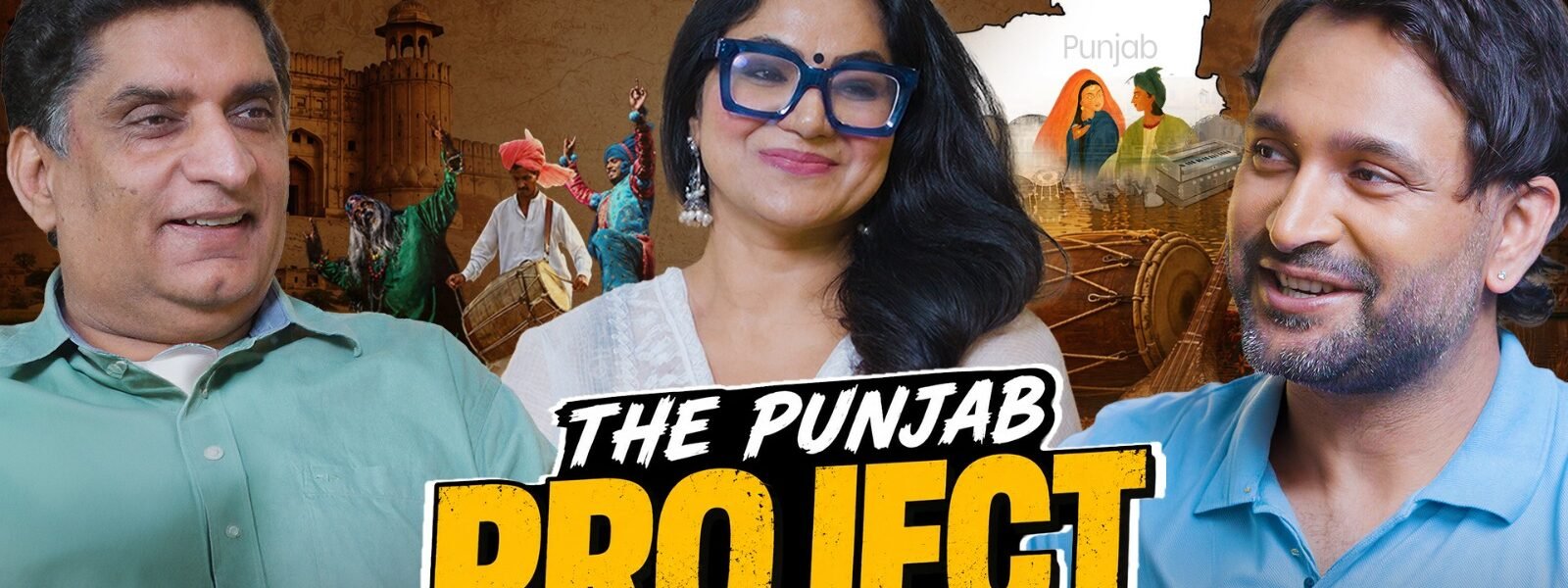
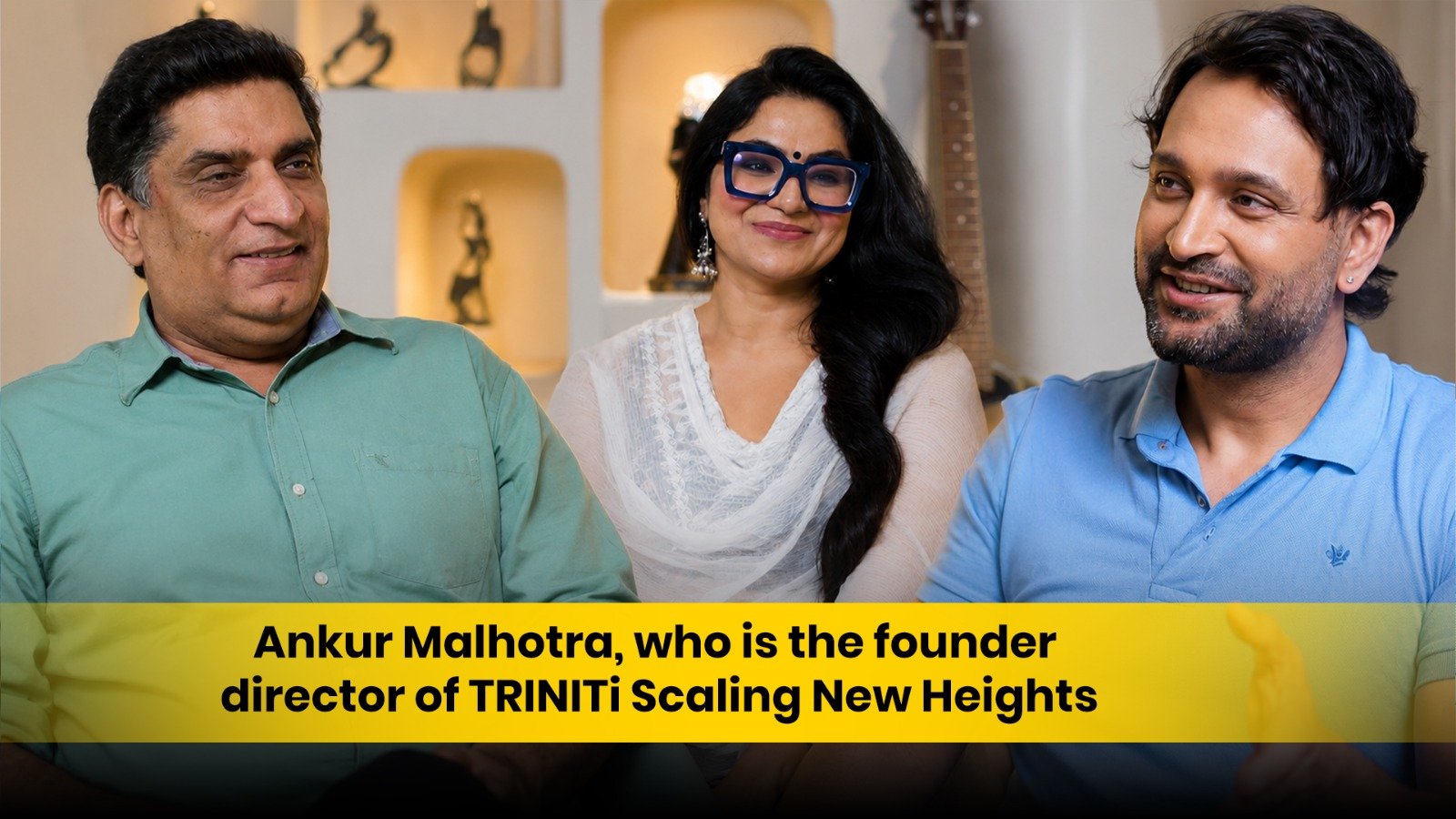
This enlightening session of The Supreet Singh Show, which is one of the best podcasts in India, features a riveting conversation between Supreet Singh, who is well-known as one of the best podcasters in India and one of the top podcasters in Mohali, and Ankur Malhotra, who is the founder director of TRINITi Scaling New Heights. They discuss one of the biggest problems in Punjab at the present time, which includes drug abuse and emotional disconnection among other issues. At the crux of this conversation is The Punjab Project, a unique venture that attempts to reconnect the youth with their culture through music, poetry, and storytelling.
In view of these changes, the Punjab Project was conceived with the realization that rapid development, migration, and exposure to globalization have created a gap between the younger generation and its culture. What started off as small get-together sessions in line with Punjabi tradition called ‘baithaks’, the movement has grown into an organized effort that blends both folklore and storytelling of today’s generation. Such gatherings involve the participation of the audience by having them feel and think about what is being portrayed. This concept is very powerful in that it is through the emotions of the young people that the project hopes to achieve understanding of self, and therefore make the right decisions in life. It is through art as a form of therapy that this project tackles issues of aggression and addictions, among others.
One key feature of the episode is the use of art as healing. The episode talks about how art in its various forms of music, poetry, theater, and movement is used not just as a way of creating but also as a means of self-cleaning. Art has a great role when it comes to helping a person achieve inner peace by ensuring that one balances rhythm and breathing. In a world full of noise from all sides, the project helps a person make an inward journey by reconnecting them with themselves and their culture. This is especially important in Punjab, which is a place where, despite numerous problems, there is always happiness.
Yet another significant issue that has been raised in this episode of what is perhaps the most interesting podcast in Chandigarh relates to the combination of traditional Punjabi folk music and contemporary sounds. Modern children, who are affected by global trends in music more than by anything else, usually prefer Western music to traditional music. This project combines these two genres in such a manner as to make the transition easy for everyone. It does not impose cultural education on the listeners but rather connects them emotionally to Punjab through folk music and legends about such great people as Amrita Pritam and Shiv Kumar Batalvi.
The discussion also focuses on the inherent resistance that many young individuals feel towards the more traditional forms of art. But with the help of real-life experiences, continuous exposure will help bring out tremendous change—change that will not only enable an individual to become more involved but will also help create strong emotional ties. Through the effective use of entertaining and exciting performances, the Punjab Project has found a way to hook its audience.
Among the key moments captured in the episode was the Chandigarh Baithak, a major modern baithak featuring about 250 attendees that included prominent cultural figures and even officials. It included young performers below the age of 28 and succeeded in creating the traditional gathering experience in modern times, combining music, stories, and participation from the audience. The massive response proved that the desire to connect to culture existed, but only needed to be done properly. The success of the Chandigarh Baithak made further expansions to other cities possible.
Apart from issues related to culture, there are other issues raised in this episode that need consideration in relation to the current digital era. In this regard, there is increasing reliance on technological gadgets, especially computers and social media. The use of such gadgets has affected the process of thinking and creative imagination. In addition, in this regard, the importance of thinking, contemplation, and writing before using technological devices to get answers has been emphasized. It is through this aspect of keeping “mental friction” that people can grow intellectually.
What is a very important lesson learned from this video is the involvement of the family in the revival process of the culture. Parents act as the first influence, and their actions dictate the behavior of the kids. As such, if parents prioritize arts, reading, and responsible use of technology, then there will be an intergenerational effect. This point is made in the Punjab Project through its concept of collective change.
In the end, it’s clear that the discussion in The Supreet Singh Show podcast is more than that – it’s a vision for the future. The Punjab Project isn’t simply about restoring art. It’s also about restoring one’s purpose and emotional balance. As the program aims to go global, there’s the possibility that other such initiatives will emerge throughout the nation. Through effective storytelling and engaging discussions, Supreet Singh further solidifies his position as a distinguished Supreet Singh podcaster in India.
For listeners seeking depth, inspiration, and real-world solutions, this episode stands out as a must-watch among today’s top podcasts in Chandigarh and India. It reminds us that sometimes, the most powerful solutions are not found in complexity, but in reconnecting with our roots, our stories, and ourselves.