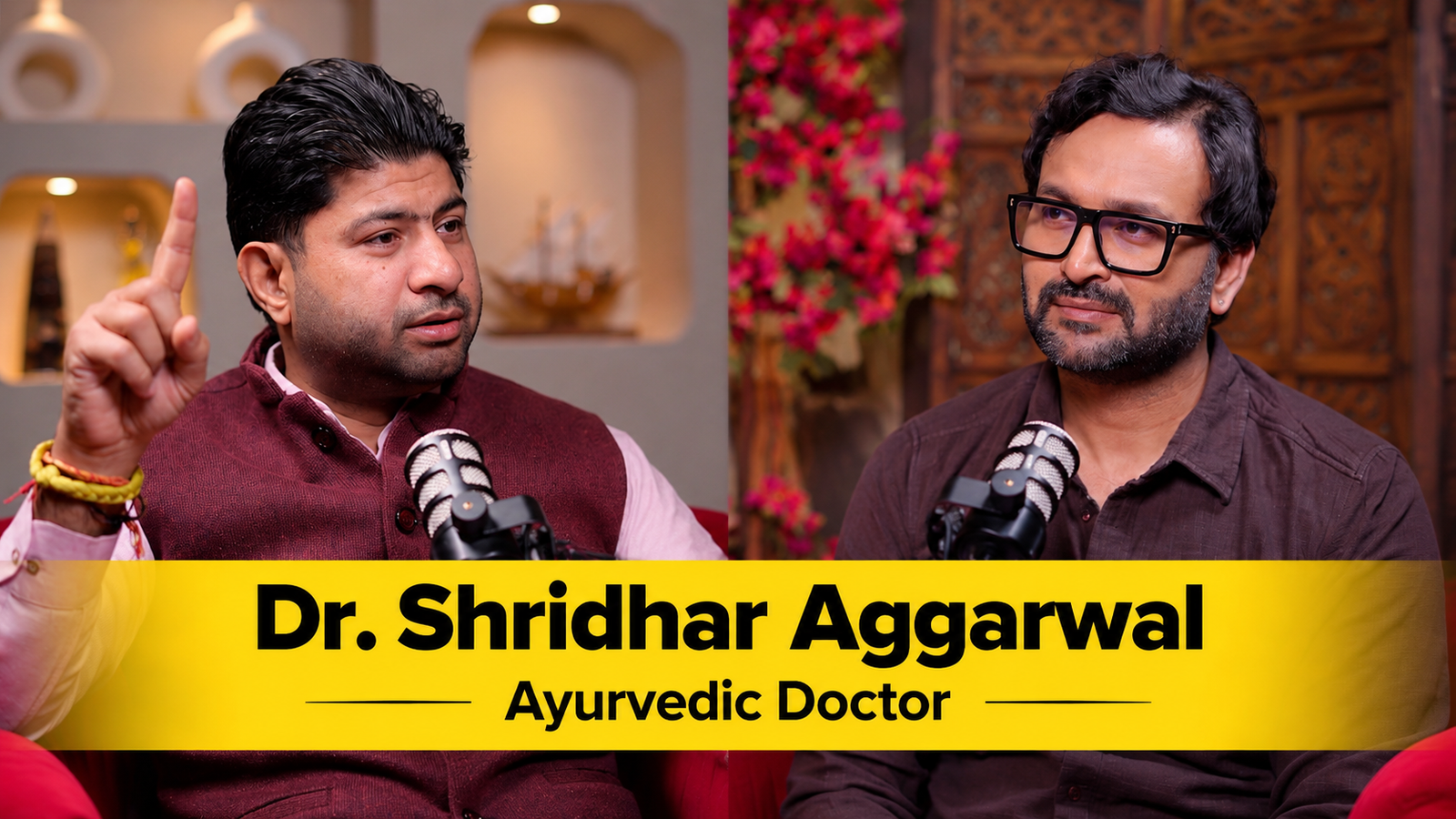
In this episode of The Supreet Singh Show, I spoke with Dr. Shridhar Aggarwal, an Ayurvedic physician with over 21 years of clinical practice, about what Ayurveda can offer in an age of lifestyle diseases. The conversation covered daily routine, diet, heart health, the safe use of Ayurvedic medicine and Punjab’s growing addiction problem.
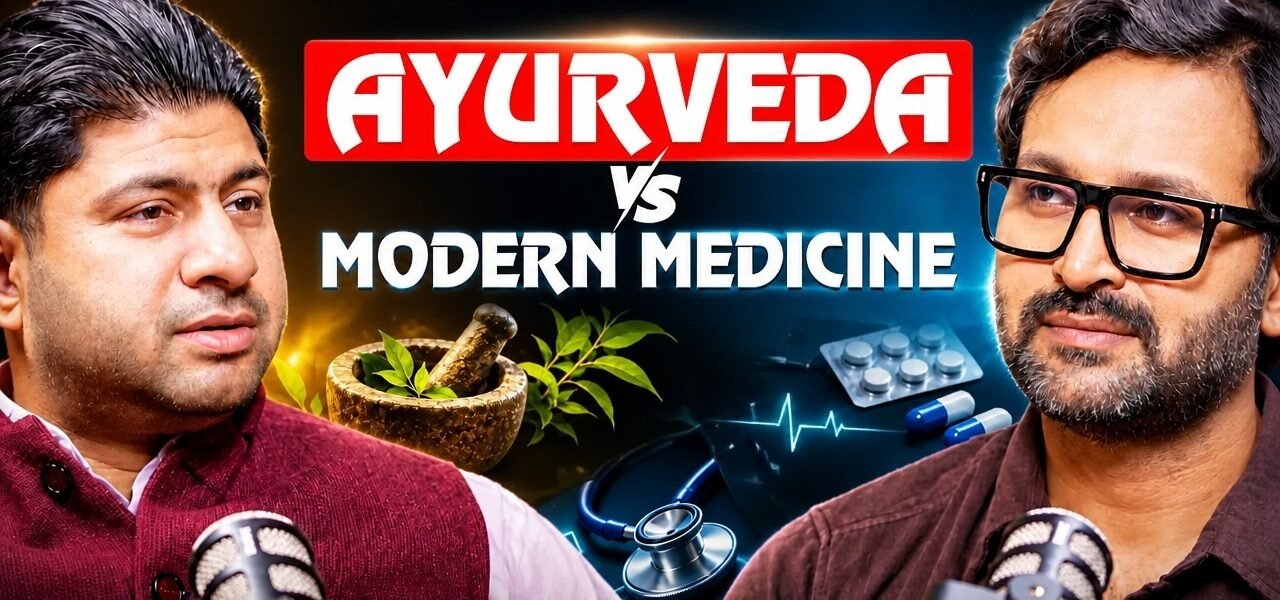
Dr. Aggarwal began by explaining that Ayurveda, a 5,000-year-old system of medicine, never disappeared from India. It was sidelined by policies that favoured modern medicine, and many of its principles are now being supported by modern research. He cited langhan, the Ayurvedic practice of fasting or eating light during illness, which aligns closely with Nobel-winning research on autophagy, the process by which the body clears out damaged cells when food is restricted.
One of the most important points of the episode was his caution against treating “Ayurvedic” as a synonym for “side-effect-free.” While most herbs are safe for long-term use, classical rasa-rasayan formulations contain processed metals such as mercury and gold bhasma, and should be taken only on a qualified practitioner’s prescription. He also urged viewers to verify online sellers, checking for a physical address and a qualified doctor behind the brand, and to avoid any product that promises a miracle cure.
According to Dr. Aggarwal, most of today’s diseases are rooted in lifestyle, and a disrupted body clock is a leading cause. Staying awake late into the night aggravates pitta, which he links to premature greying, joint problems and faster ageing, conditions he now sees in patients in their twenties and thirties. His recommendations are straightforward: finish dinner before sunset or by 7 pm, wake shortly before sunrise, exercise in the morning, and eat according to hunger rather than the clock.
On diet, he identified refined salt, sugar and maida as the “three white poisons,” alongside processed food and reused frying oil. He recommends freshly kneaded dough, seasonal fruit and whole-food protein sources such as chana, sprouts, millets and home-made chicken soup in place of packaged supplements. Ayurveda, he noted, permits non-vegetarian food when it is well prepared, not deep fried and not eaten at night.
The discussion on heart health highlighted how cardiac problems are now affecting much younger people. Dr. Aggarwal advises an annual heart check-up after the age of 30 and warns against ignoring early signs such as breathlessness or chest heaviness while climbing stairs. Delaying tests out of fear, he said, is one of the most common and costly mistakes people make.
We also discussed nadi pariksha, the Ayurvedic pulse diagnosis used to assess the balance of vata, pitta and kapha, and panchakarma, which he described as a structured detoxification process rather than a massage therapy. Its five procedures are vaman, virechan, basti, raktamokshan and nasya, and the treatment plan depends on the patient’s condition.
The episode closed with a candid conversation about addiction in Punjab, from opium and chitta to the misuse of painkillers, and its impact on Punjabis working abroad. Dr. Aggarwal’s approach to recovery rests on three pillars: willpower, professional guidance and family support.