

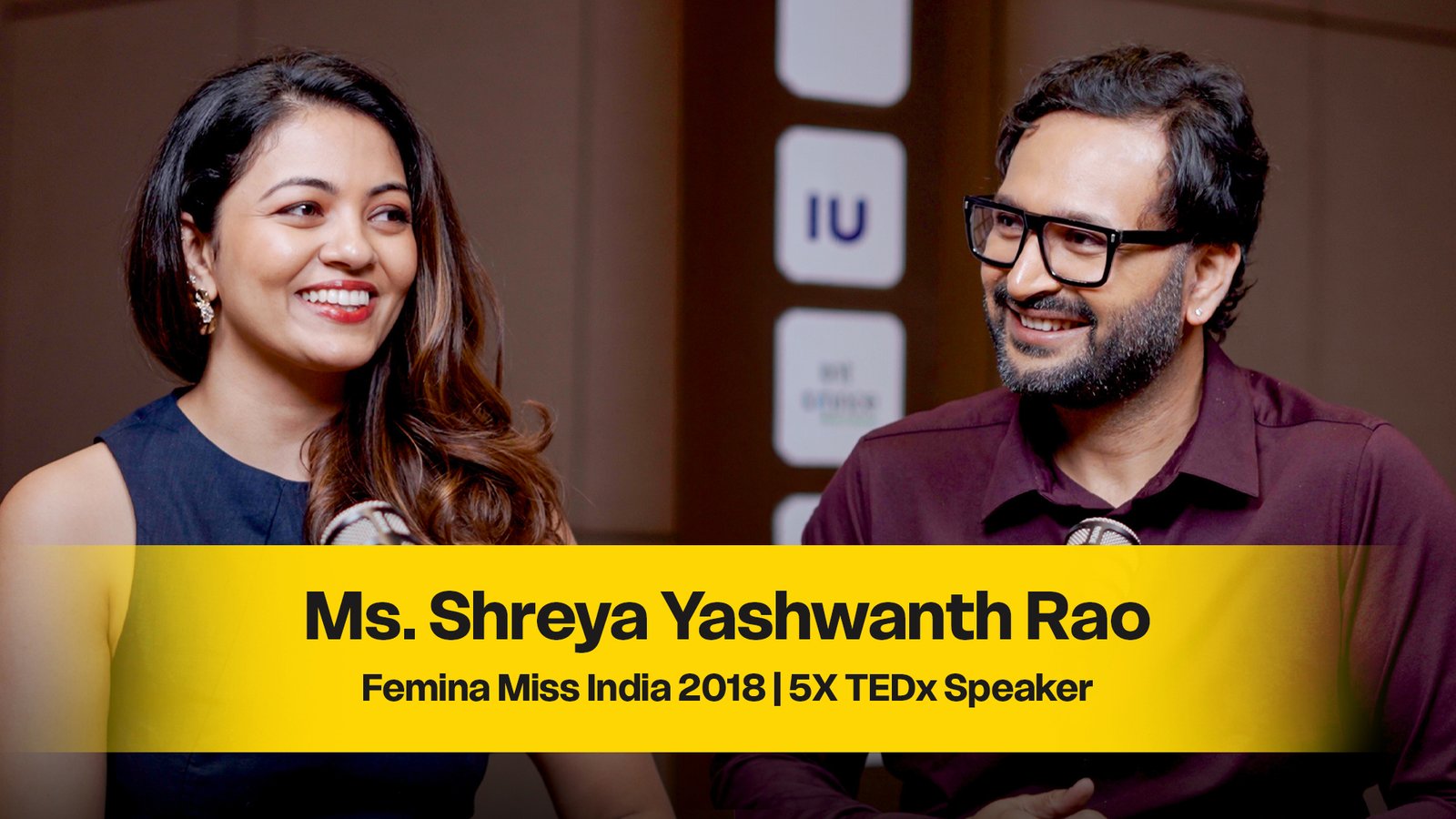
In this episode of The Supreet Singh Show, Shreya Rao Kamavarapu, Femina Miss India 2018 second runner-up, architect, TEDx speaker and mother, talks about a subject she learned the hard way: nutrition. Her central message is simple and often misunderstood. Getting healthy is not about eating less. It is about eating right.
She is candid about how she got it wrong. Preparing for the pageant, she tried to lose weight quickly by cutting out food almost entirely and living largely on eggs, with little fibre or vegetables. The crash diet left her with serious deficiencies, including vitamin B12 and vitamin D, and she lost muscle along with fat. Her body recovered because she was in her early twenties. The second time was different. After pregnancy, when she weighed around 90 kg and was breastfeeding, she knew another person depended on her nutrition. This time she worked with a nutritionist and a fitness coach and approached the change properly.
That experience led her to co-found a lifestyle transformation company that combines nutrition coaches and psychologists. She calls it lifestyle transformation rather than weight loss, because the goal is to change how people think about food, sleep and daily habits, not just the number on the scale. She also recognises that most families cannot afford a nutritionist. That is why she believes nutrition should be taught in schools. Children learn algebra and trigonometry, she points out, yet few are taught how to fill a balanced plate, why they need eight hours of sleep, or why they should drink enough water. Her new children’s book aims to fill that gap with simple, colourful lessons on reading food labels, building a balanced plate, sleep and even gratitude towards whoever cooks the meal. Her hope is to see it used in classrooms, because when a whole class learns together, healthy choices become the norm rather than the exception.
As a mother, she leads by example. Her four-year-old daughter sees her exercise at home every morning and already calls chips and cold drinks “junk”. She does not ban treats outright, since forbidding something only makes it more tempting. Instead, she explains things in a way a child can understand and lets her daughter try foods in moderation.
The practical tips are the most useful part of the conversation:
- Fix the lunch box. If a child forgets their tiffin, pack a banana, an apple, nuts, raisins or dates rather than chips, biscuits or chocolate, which digest quickly and leave children hungrier.
- Try ragi pancakes. Mix a spoon or two of ragi flour with an egg and a hand-mashed banana. Children often think they are chocolate pancakes.
- Divide the plate into three. Keep the rice or roti portion the smallest, and fill the rest with dal, vegetables, curd, salad and protein such as paneer or chicken.
- Use less oil. Whether in North or South Indian cooking, cutting back on oil helps preserve the nutrients in vegetables. A spoon of good ghee for tadka is enough.
- Eat a balanced plate first. When she eats a complete meal, she says, she no longer feels the need to head to the dessert counter.
She is clear that these are lessons from personal experience, not formal training. That honesty is what makes them relatable to parents who are juggling work, home and a child’s growing curiosity. The takeaway from the episode is straightforward: eat a balanced plate instead of eating less, model good habits at home, and start teaching nutrition early so it becomes second nature.