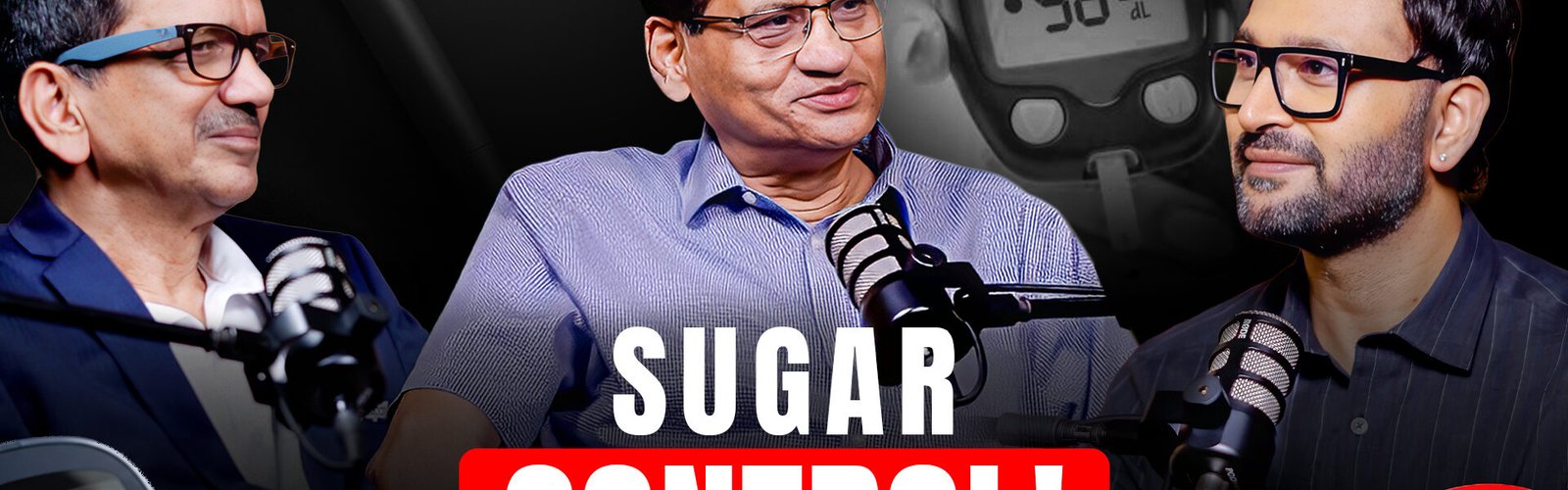
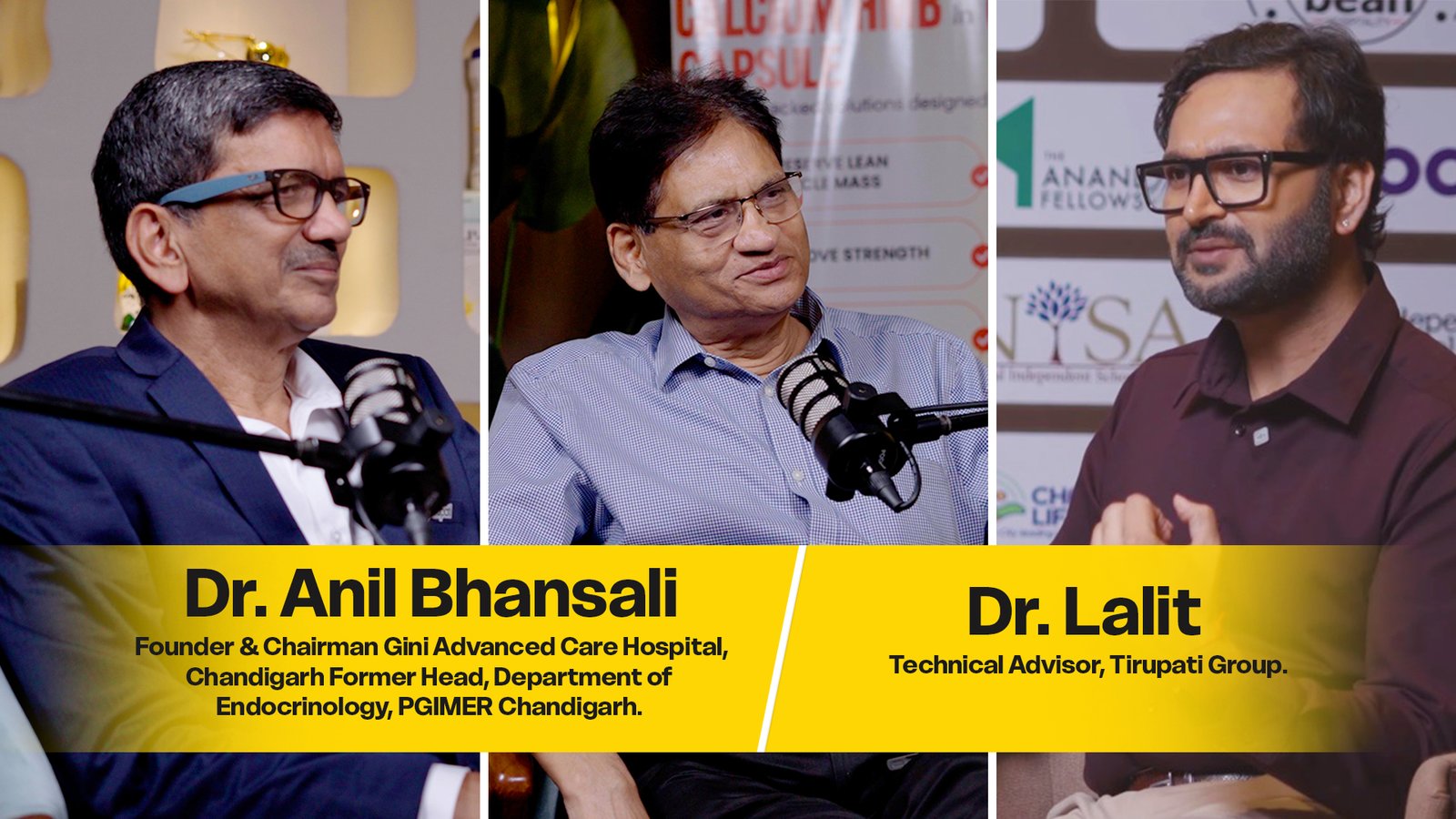
In this episode of The Supreet Singh Show, endocrinologist Dr. Anil Bhansali, former Head of Endocrinology at PGIMER Chandigarh, and nutrition expert Lalit ji of Tirupati, who has spent more than four decades in the field, talk about GLP-1 medicines, protein and supplements. They start with a worry many doctors share. Diabetes in India has risen from about 3 percent of the population in 1975 to roughly 11 percent today, and patients are arriving younger and with higher blood sugar than before.
Dr. Bhansali explains that GLP-1 is not a foreign substance. It is a hormone the gut releases after a meal, helping the pancreas manage blood sugar and telling the brain when we are full. In people with type 2 diabetes and severe obesity, levels tend to be lower, and the gut and brain stop communicating well. He contrasts eating out of hunger with eating for pleasure, the kind that happens at a wedding when a plate of sweets appears. This, he says, is also why weight often returns once medication or lifestyle changes stop.
He describes the benefits of these medicines as going beyond weight loss, with effects on the heart, kidneys and liver. Whether someone should take one, however, is a decision to make with their own doctor. On the common fear of muscle loss, Dr. Bhansali points out that any kind of weight loss, including diet and exercise, reduces some lean mass. Many Indians already start with less muscle and more fat stored inside it, so losing that fat can improve how muscle works even as the scale drops. His advice is to lose weight gradually and add resistance training, since walking alone may not be enough to protect muscle.
The conversation then turns to protein. Most Indians eat far less than the roughly 1 gram per kilogram of body weight Dr. Bhansali suggests for healthy adults. People on GLP-1 therapy may need a little more, and those with diabetic kidney disease less. Lalit ji explains that quality matters as much as quantity. Milk proteins such as whey and casein score highest for completeness, followed by egg and soy, while pea and rice proteins score lower. Whether protein comes as a shake, a bar or a home-cooked meal matters less than getting enough from a good source.
On supplements, Dr. Bhansali names vitamin D, B12, folic acid, zinc and magnesium as the ones commonly needed, especially when appetite drops. He cautions against unregulated products that may contain excess copper, iron or heavy metals. Both guests agree that supplements work best when guided by a doctor or nutritionist, not taken by default. Dr. Bhansali closes with an acronym, GENES: genetics, exercise, nutrition, emotional health and sleep. Medicines can help, but they work alongside these, not in place of them. The takeaway from the episode is straightforward: eat enough good-quality protein, keep your muscles working with resistance exercise, take supplements only where there is a real need, and speak with a doctor before starting any GLP-1 medicine.
Does semaglutide cause muscle loss?
Any form of weight loss reduces some lean mass. On semaglutide, about a quarter of weight lost is lean mass, but muscle function and grip strength often improve. Resistance training and adequate protein help protect muscle.
How much protein should I take on GLP-1 drugs?
Dr. Bhansali suggests around 1.2 g per kg of body weight for people on GLP-1 therapy, and lower (about 0.8 g/kg) for those with diabetic kidney disease. Your doctor or dietitian should set your exact target.
Which protein is best for diabetics?
Proteins with a high PDCAAS score, such as whey, casein and soy, are well digested and complete. Pea and rice proteins score lower.
Which supplements are generally needed on GLP-1 therapy?
Vitamin D, B12, folic acid, zinc and magnesium are commonly supplemented because appetite and food intake drop. Avoid unverified products that may contain excess copper, iron or heavy metals.
Can type 2 diabetes be reversed?
Remission is possible through significant, sustained weight loss, especially within the first five years of diagnosis. Keeping the weight off is what keeps it in remission.